Kaysworks — New Series · 2026

Àpótí Ọlọ́wẹ̀

A six-chapter serialized art release

Chapter 1 — now live  ·  May 3–May 31

Format

Digital painting + sculpture

First chapter

May 3, 2026

Final drop

September 27, 2026

Enter Chapter 1

Àpótí Ọlọ́wẹ̀ is a love story rooted in Yoruba craft and memory. The series follows Ayo, a young woodcarver, and Morenike, his muse, as their relationship unfolds across six chapters,from a chiefs’ meeting that shapes their fate to an engagement and its aftermath.

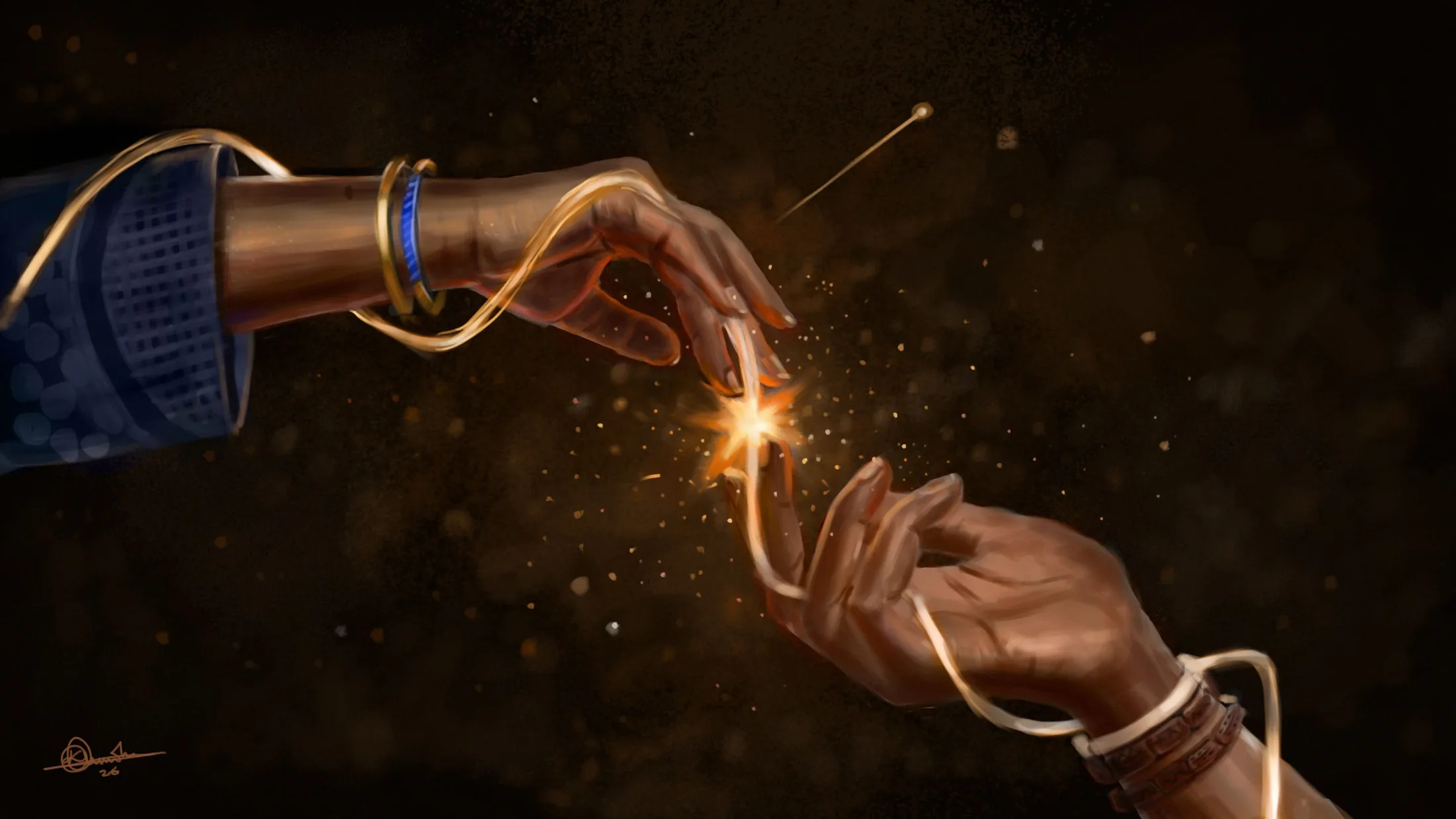
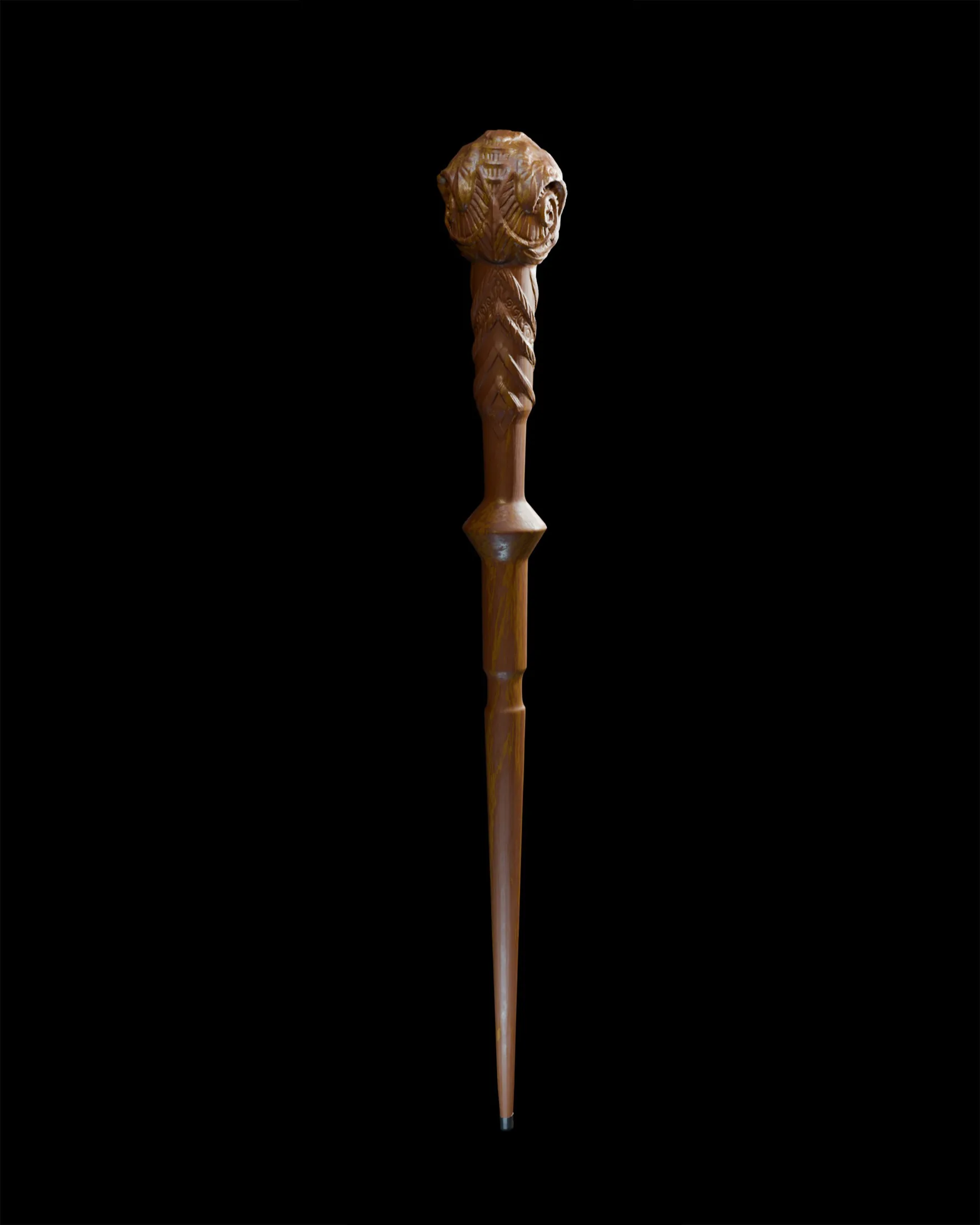
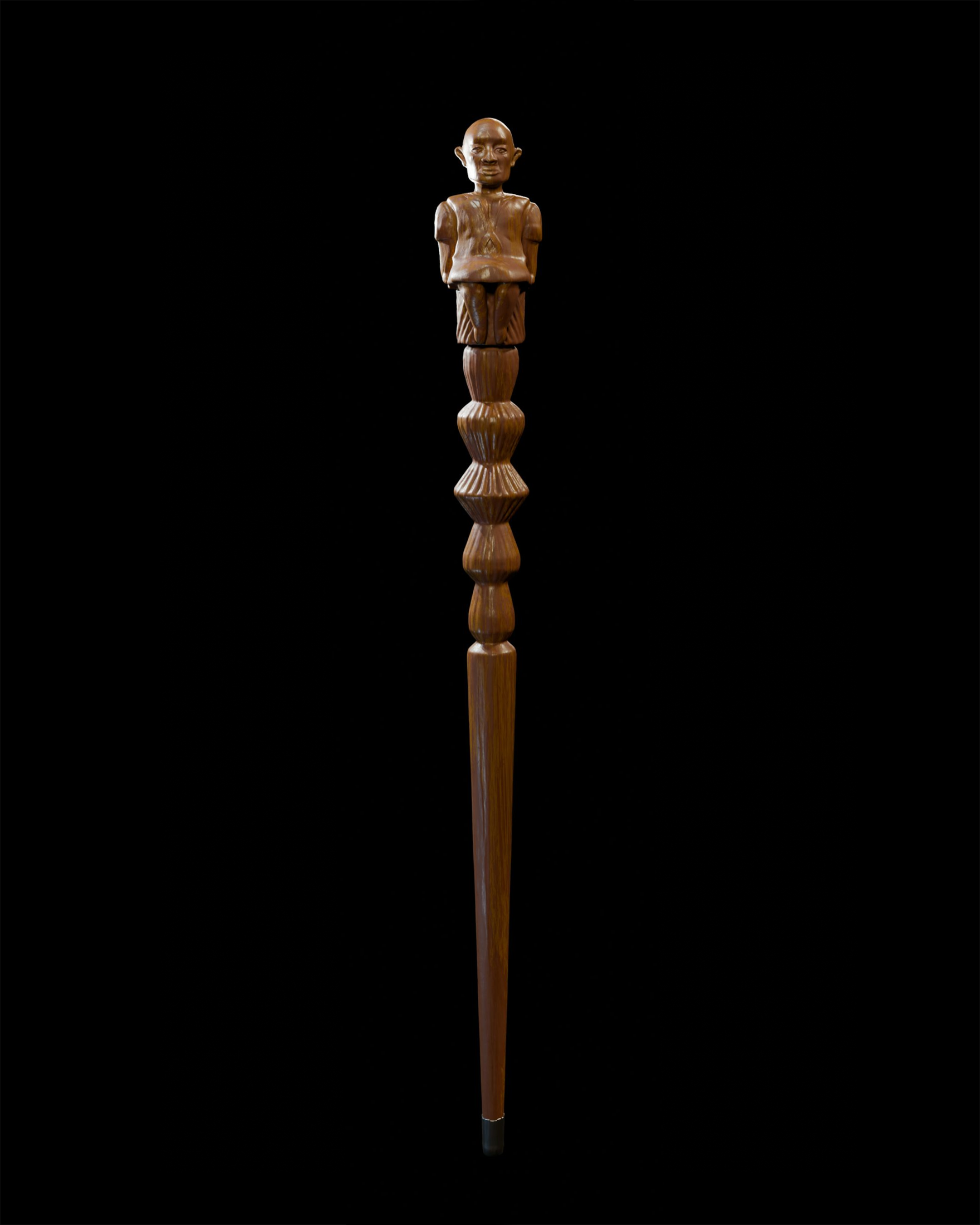
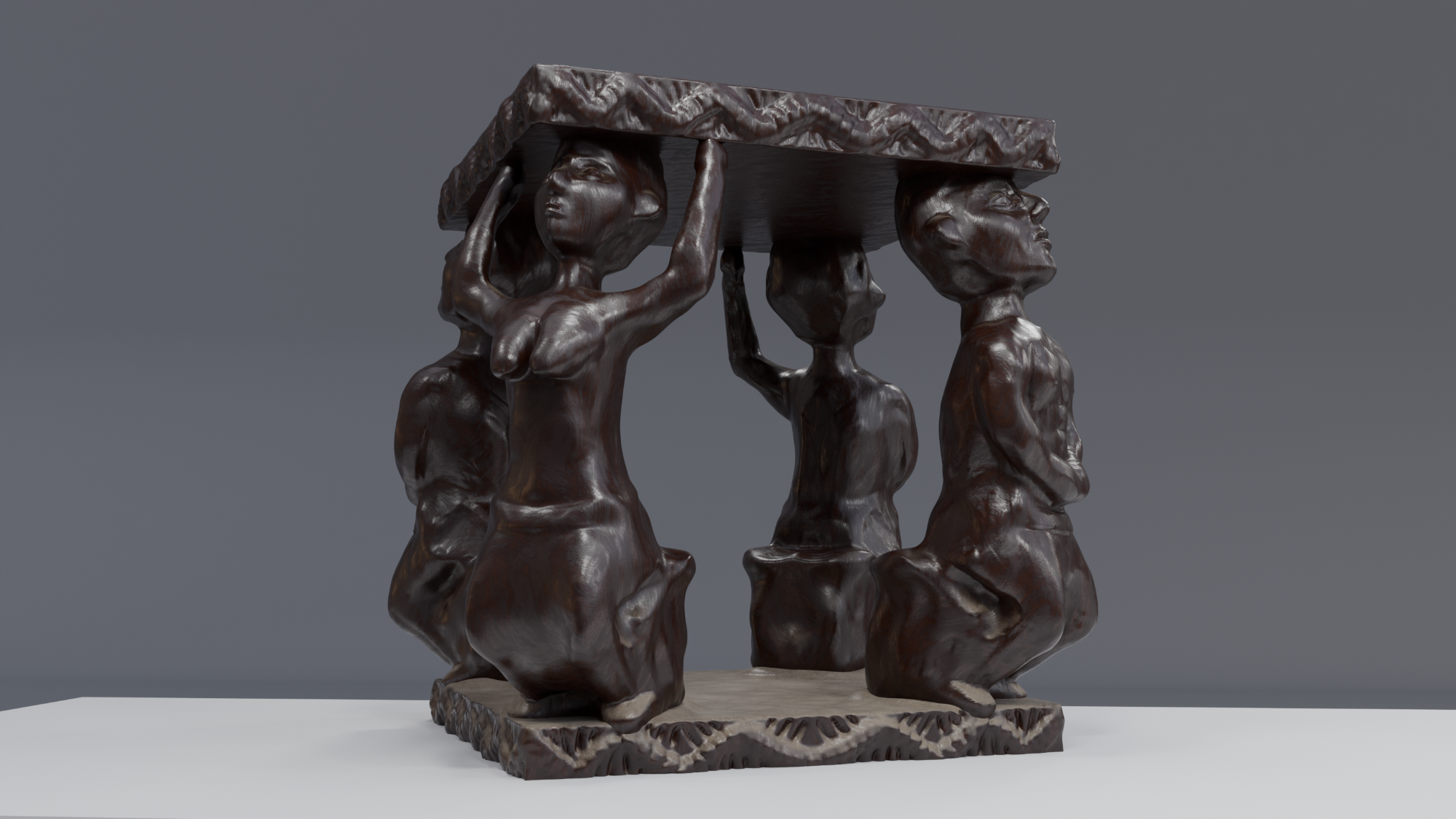
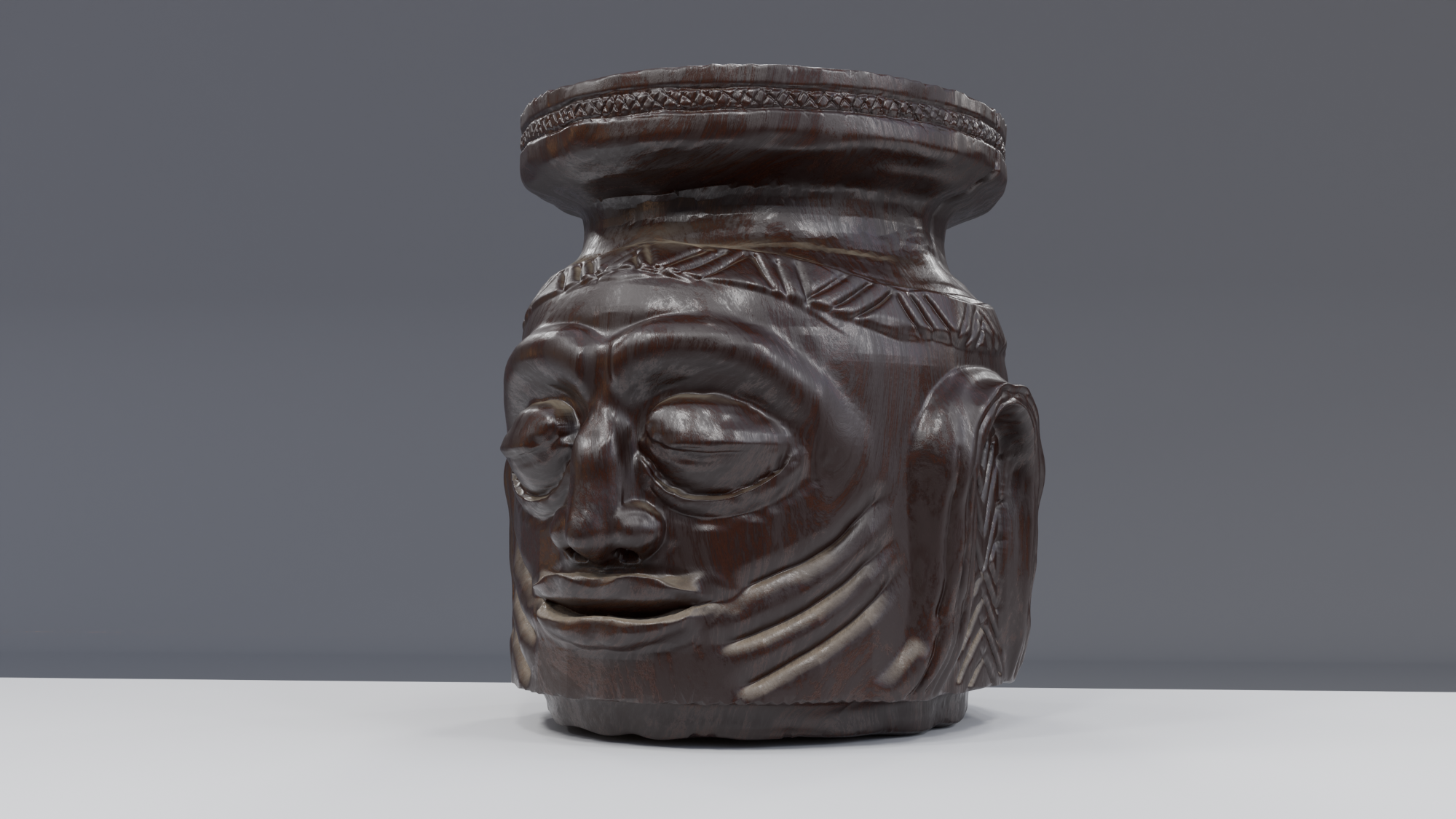
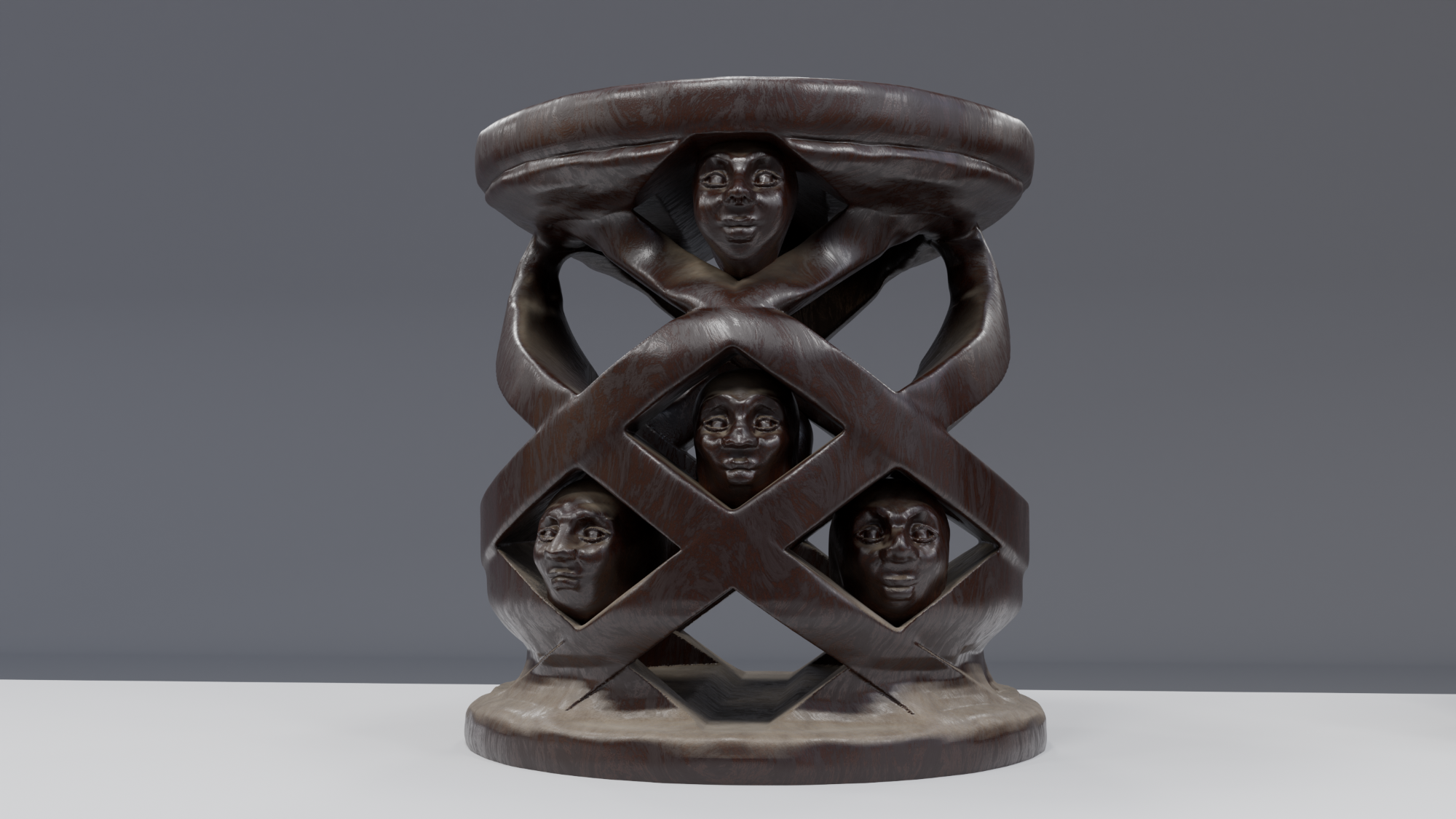
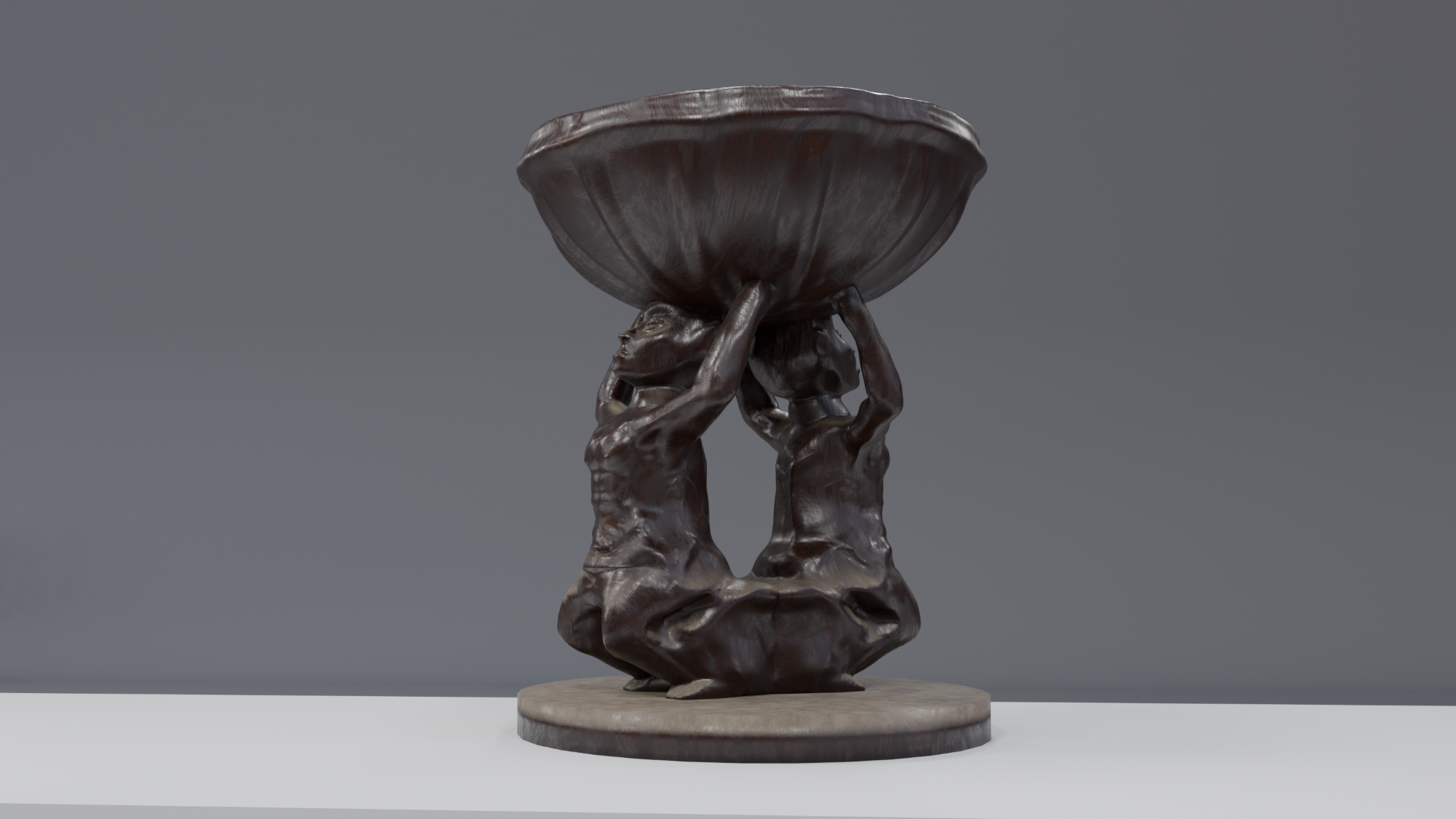
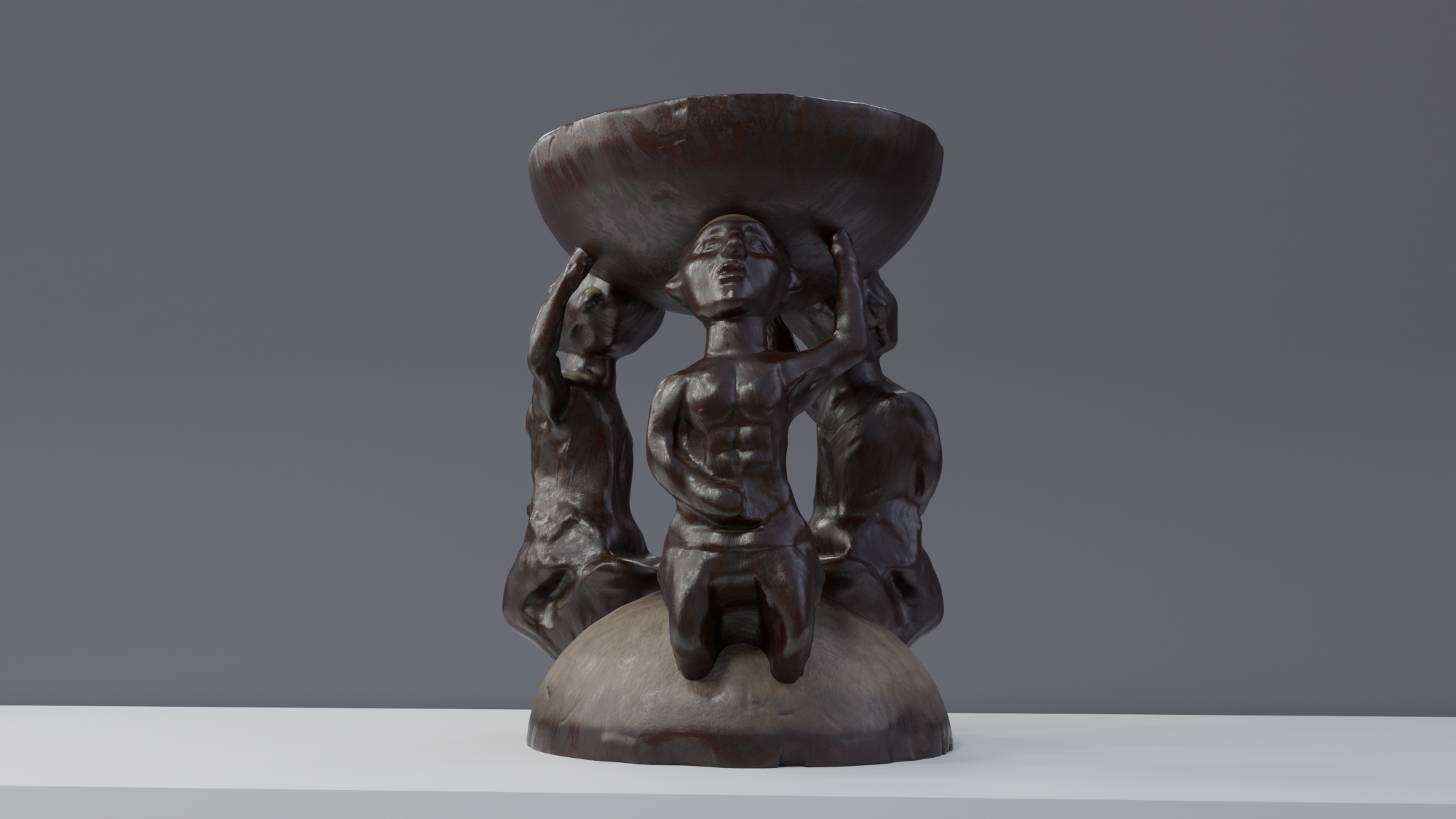
Each chapter features a central digital painting paired with small digital sculptures: stools, charms, and carved objects that act as symbols and clues. These forms emulate the storytelling traditions of Yoruba artisans who used everyday objects to hold history, emotion, and meaning.

Inspired by Olowe of Ise and the broader tradition of Yoruba woodcarvers—many of whose names have been swallowed by history. These were artists who poured intention, culture, and history into carved wood. Their work endured; their names often did not, Àpótí Ọlọ́wẹ̀ is partly a reckoning with that erasure. The series asks what it means to carry a craft forward.

Though created digitally, Àpótí Ọlọ́wẹ̀ continues the philosophy that objects can speak. They can hold love, conflict, lineage, and the weight of tradition.

Ultimately, Àpótí Ọlọ́wẹ̀ is a tribute: to Yoruba storytelling, to the artistry that shaped generations, and to the evolving language of African digital expression.

Kayode Oyeniyi  ·  Kaysworks

The cultural layer of Àpótí Ọlọ́wẹ̀ begins with Yoruba carving traditions, the named and unnamed artists who shaped them, and the objects that carried story, authority, memory, and praise.

Foundation

Olowe of Ise — primary research

Deep study of Olowe of Ise and other Yoruba woodcarvers—their veranda posts, palace doors, vessels, and carved objects. Key references include the Òpó collection held at the Met, the lidded bowl held at the Smithsonian, and the Ikere palace doors now held at the British Museum. The focus is compositional innovation, symbolic language, and the oral praise traditions surrounding the work.

World-building

Developing Ayo’s world

Ayo’s story is built around craft as social memory: who made the object, who uses it, who notices it, and who forgets to ask. Each sculpture is treated as a story object—part of a living Yoruba visual language, not decoration.

Cultural layer

Yoruba symbolic motifs

Research into carved stools, charms, ornamentation, ritual objects, and doors as narrative devices. The aim is to translate the feeling and function of Yoruba craft into digital sculpture without losing its charm, seriousness, or cultural weight.

On-chain architecture

Custom contracts & multichain infrastructure

The goal is a collector experience like no other—and for that to happen, the infrastructure had to be built from scratch. On Ethereum, a custom token-gated auction restricts the works to collectors who showed genuine interest and support by holding the entry token; access here is earned, not assumed. Because most of the tokens minted on Ethereum carry multiple pieces of metadata on a single token, a counterpart was needed on Tezos—so a custom FA2 contract was written to do exactly that. Alongside it, a purpose-built viewer lets collectors pin and move through that content themselves, making each token an object worth returning to rather than a thing you look at once. That same logic of access and presence extends to the social layer: the collecting room has a token-gated chat where holders can find each other during live auctions, turning the act of collecting into a shared moment rather than a solitary one. The multichain approach is a considerate design—participants can weave between chains easily. One story, and multiple ways to partake in it.

After Chapter 1, the series continues across five more releases. Six chapters across six months—May through September 2026. Each release is a self-contained world that advances Ayo’s story, built from a 1/1 digital painting, a set of digital sculptures, written narrative, and optional archival prints. You can follow from the beginning, or step in wherever the story finds you.

Dates are subject to change. I will always announce if any date changes.

01

The Chiefs’ Meeting

A gathering of elders gives insight into the character of Ayo and the outlook of society on his craft

●  Now live

02

Ìpàdé

The Meeting — Ayo and Morenike first cross paths

Jun 1

03

L’abẹ Igi Oronbo

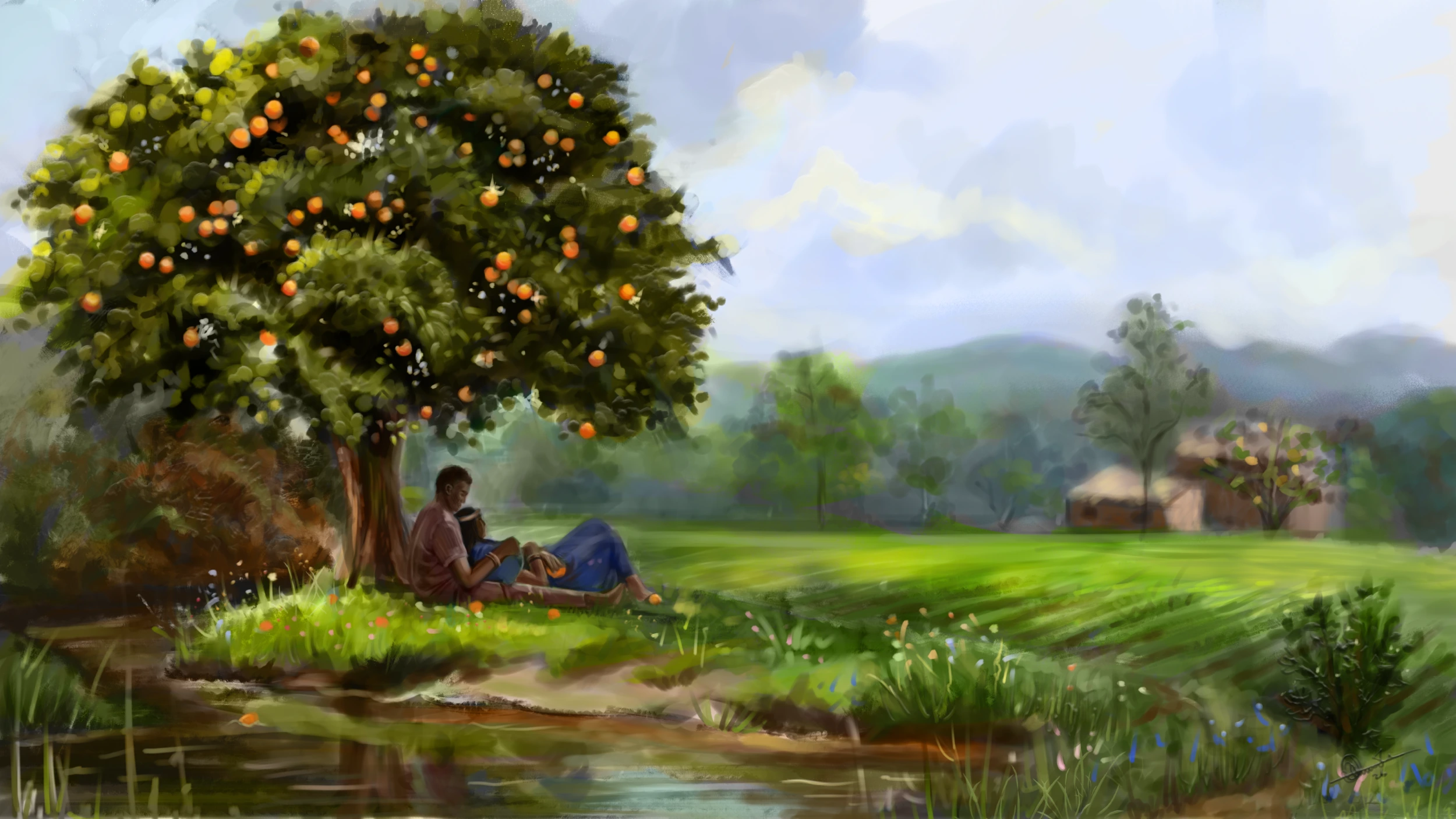
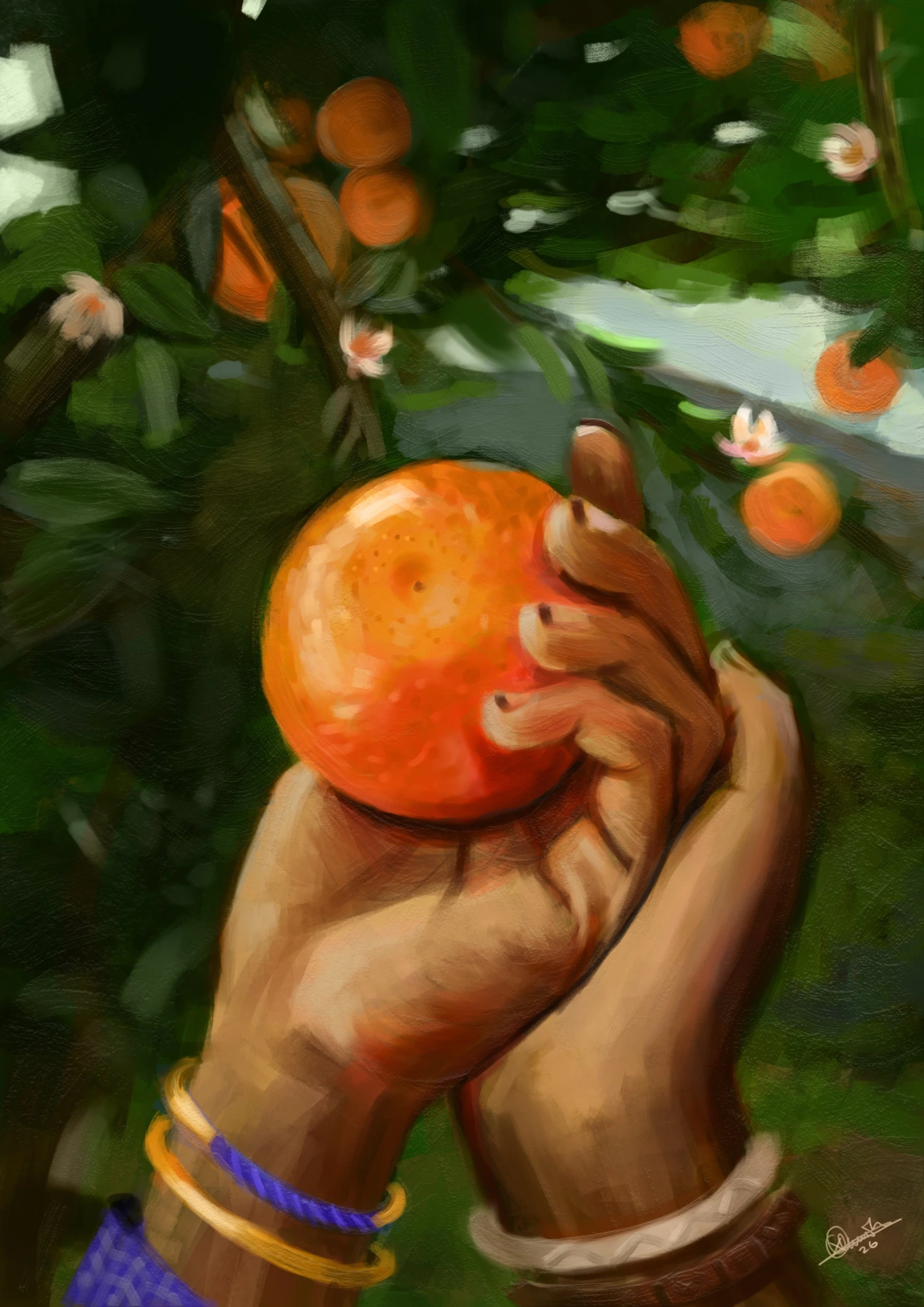
Under the Orange Tree — a moment of intimacy, truth, and shared vulnerability

Jul 1

04

Ilé Agbẹgilérè

The Sculptor’s House — inside Ayo’s world of craft, lineage, and symbolic creation

Aug 1

05

The Engagement

An event that tests family expectations, tradition, and love — the role of the Àpótí is revealed

Sep 1

06

Aftermath

Narrative resolution, emotional closure — key elements and characters revealed

Sep 27

Collector Rewards Unlock & World Compendium

Gold rewards, digital book, character deep dives, exhibition, optional commemorative items

Chapter 1 · Now live

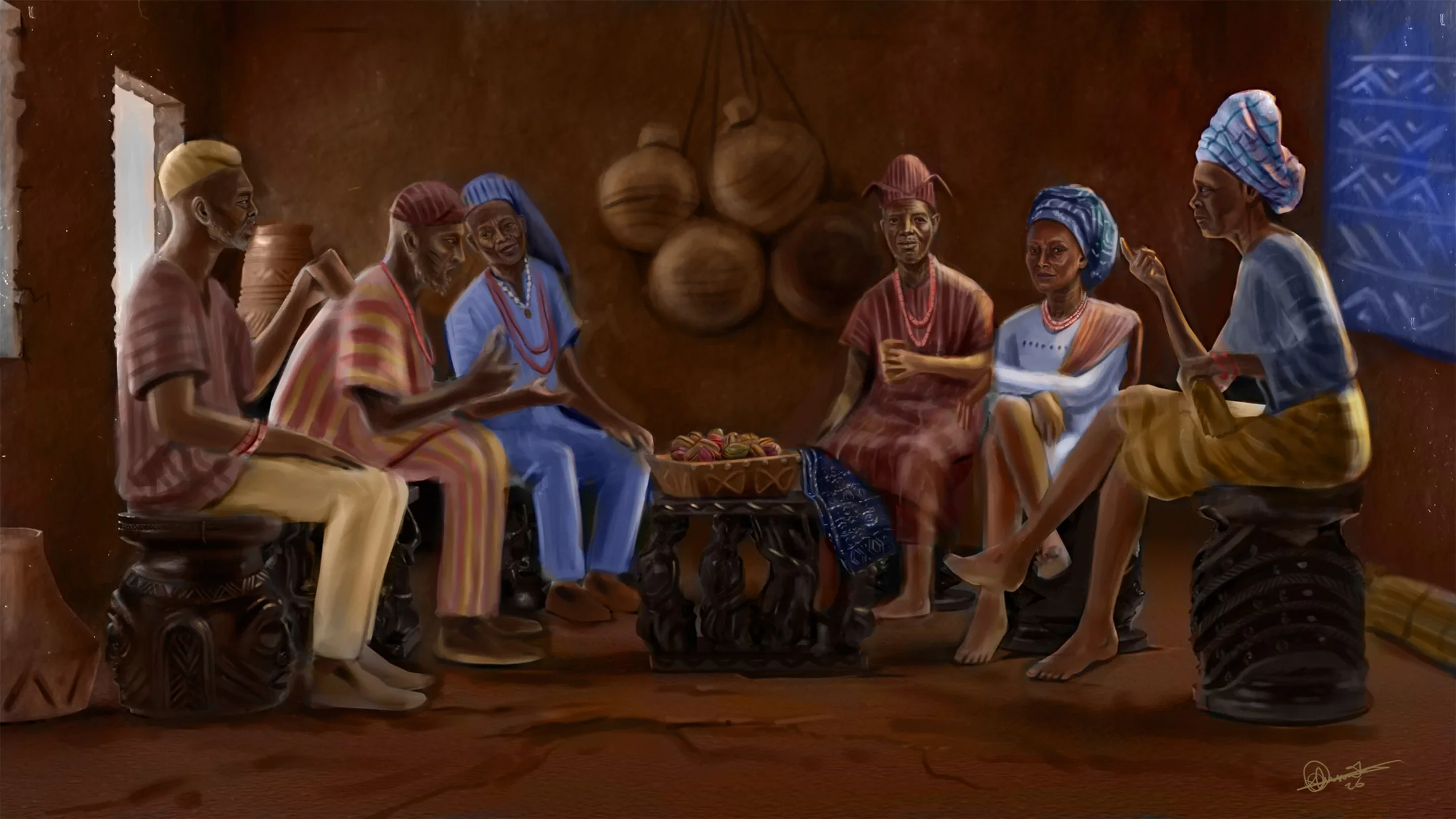
The Chiefs’ Meeting

Painting

The Chiefs’ Meeting

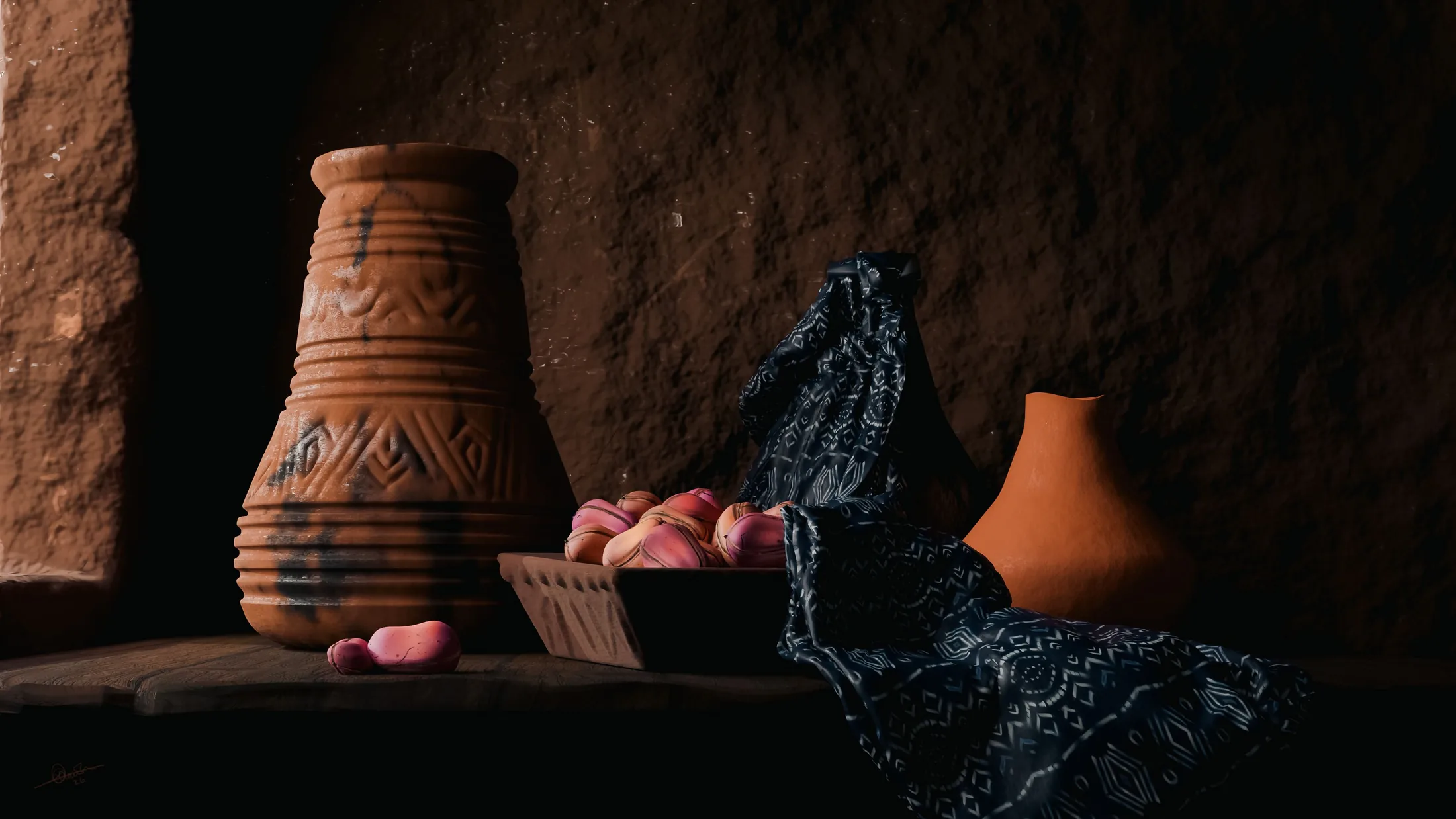
Chapter 1 painting entry for The Chiefs’ Meeting

The central Chapter 1 painting introduces the gathering of elders and the social world surrounding Ayo’s craft.

View full screen

Chapter 1 sculpture set

The Ìjòkòó Set

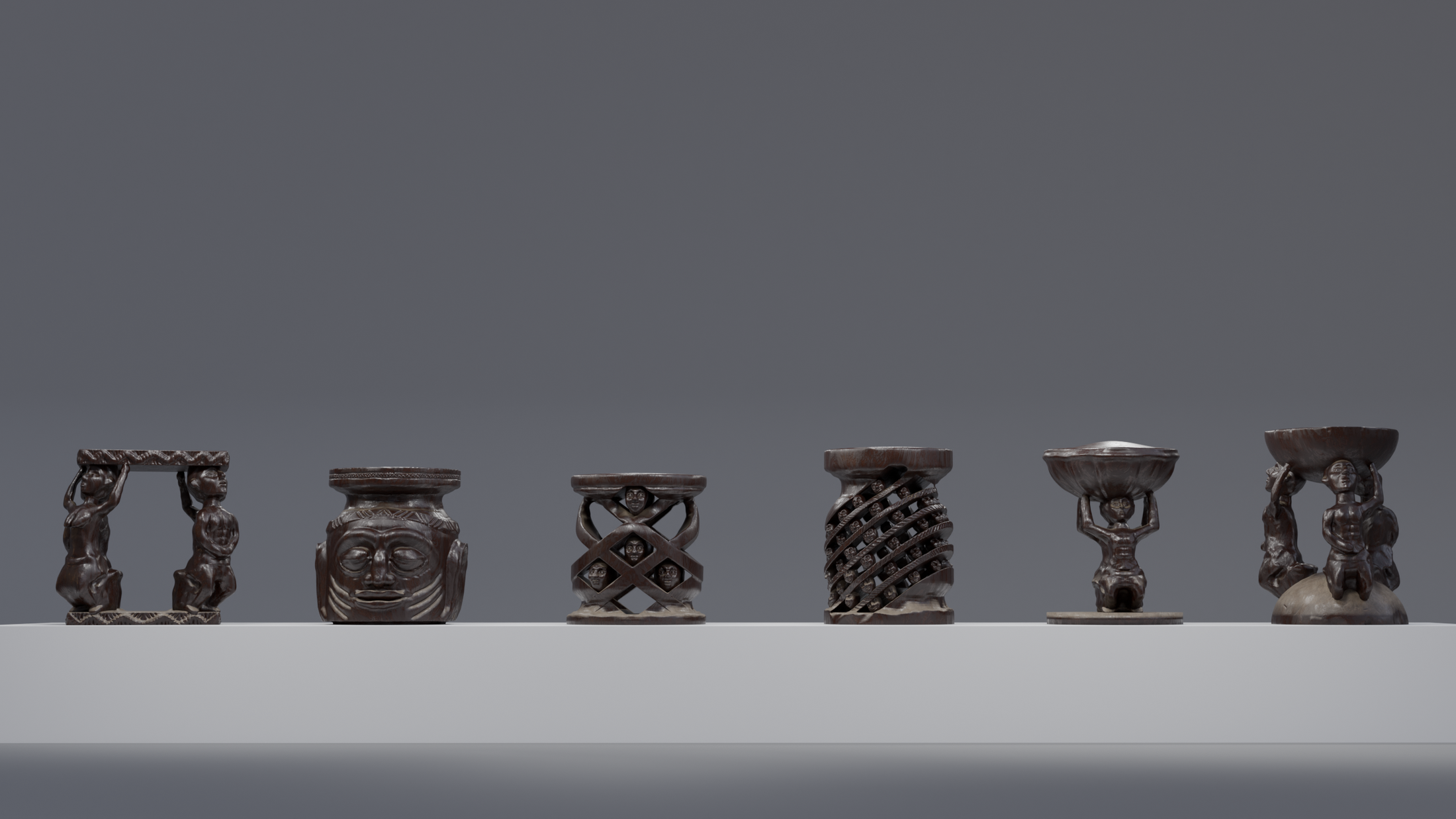
The gems of Chapter 1, the Ìjòkòó Set, are the stools present in the chiefs’ meeting: quiet evidence of Ayo’s hand, his discipline, and the dignity of work that is often noticed only after it has already been carrying everyone.

Ìjòkòó — Carved stools of power
Full reveal — The Ìjòkòó Set

I J Ò K Ò Ó

Carved stools of power & presence

Triple-tap to unveil  ·  Touch or hover to explore

Chapter 1 script

The Chiefs’ Meeting

It was a warm evening. Six chiefs were seated in a room that flanked the palace courtyard, gathered for an informal meetup. They sat in two rows facing each other, with kolanut and wine laid out between them to keep the conversation lively. They had been discussing the various happenings in the village when the conversation shifted to Ayo.

Chief Ogunleye: (leaning forward) I am telling you what I saw with my own eyes. The door at Baba Segun’s compound; the one everyone stops to look at on their way to the market; that is Ayo’s work. The boy has a gift.

Ìyálóde Àjíké: A gift that has not made him a notable man. (takes a sip) The work is not bad. It simply has not turned him into someone whose name carries weight in this town.

Chief Ogunleye: Because people keep paying him in goodwill instead of what the work deserves. You cannot underpay a man and then question why he hasn’t risen.

Ìyálóde Àjíké: (unbothered) I pay what the conversation agrees on. That is not my doing.

Ìyálóde Àbẹ̀kẹ́: (without looking up, turning her cup slowly) The best palm wine in this town came from Ola’s stall for fifteen years. Everyone agreed on it. Until someone finally walked further down the road and tasted the truth… Agreement is not the same as accuracy.

Soft laughter. Chief Gbemi watches everyone without committing to a reaction and having another sip out of his cup.

Chief Gbemi: I have heard the name often enough. I have not seen sufficient work to feel strongly either way. What has he produced that we can point to?

Chief Ogunleye: The doors at the community hall. The ceremonial headrests sent to Oba’s palace last dry season. (a deliberate pause, glancing around the room) And if you look down, you will find you are all sitting very comfortably this afternoon.

A few heads dipped. Then a few more.

Ìyálóde Àbẹ̀kẹ́: Ah yes! I remember when he brought it, I picked these out for us before the rest was sent to the palace.

Ìyálóde Àjíké: (shifting, running her fingers along the edge of her stool) These... he made these?

Chief Ogunleye: Every one of them. It was commissioned two years ago. You have been sitting on his work since the day they arrived, apart from Ìyálóde Àbẹ̀kẹ́ the rest of you didn’t ask who carved them.

Silence. Chief Adediran has been still watching the entire time. Now he runs his hand slowly along his stool’s side.

Chief Adediran: Sitting well is not mastery. A comfortable stool is one thing.

Chief Gbemi: (a small smile creeped on his face as he glanced sideways at Adediran) Yet someone here nearly fought Chief Makanjuola when he tried to use their stool during the last meeting.

Laughter rang out across the room.

Chief Adediran: (holding up his hands in playful surrender) Fine I like the stool, but I don’t think that’s enough to prove his mastery, the question is whether he can produce something that carries real weight. Something ceremonial, something that grabs attention and envy when it enters a room.

Chief Afolabi: Well, your question deserves a proper answer. Not one formed from just our opinion.

Everyone receives this quietly.

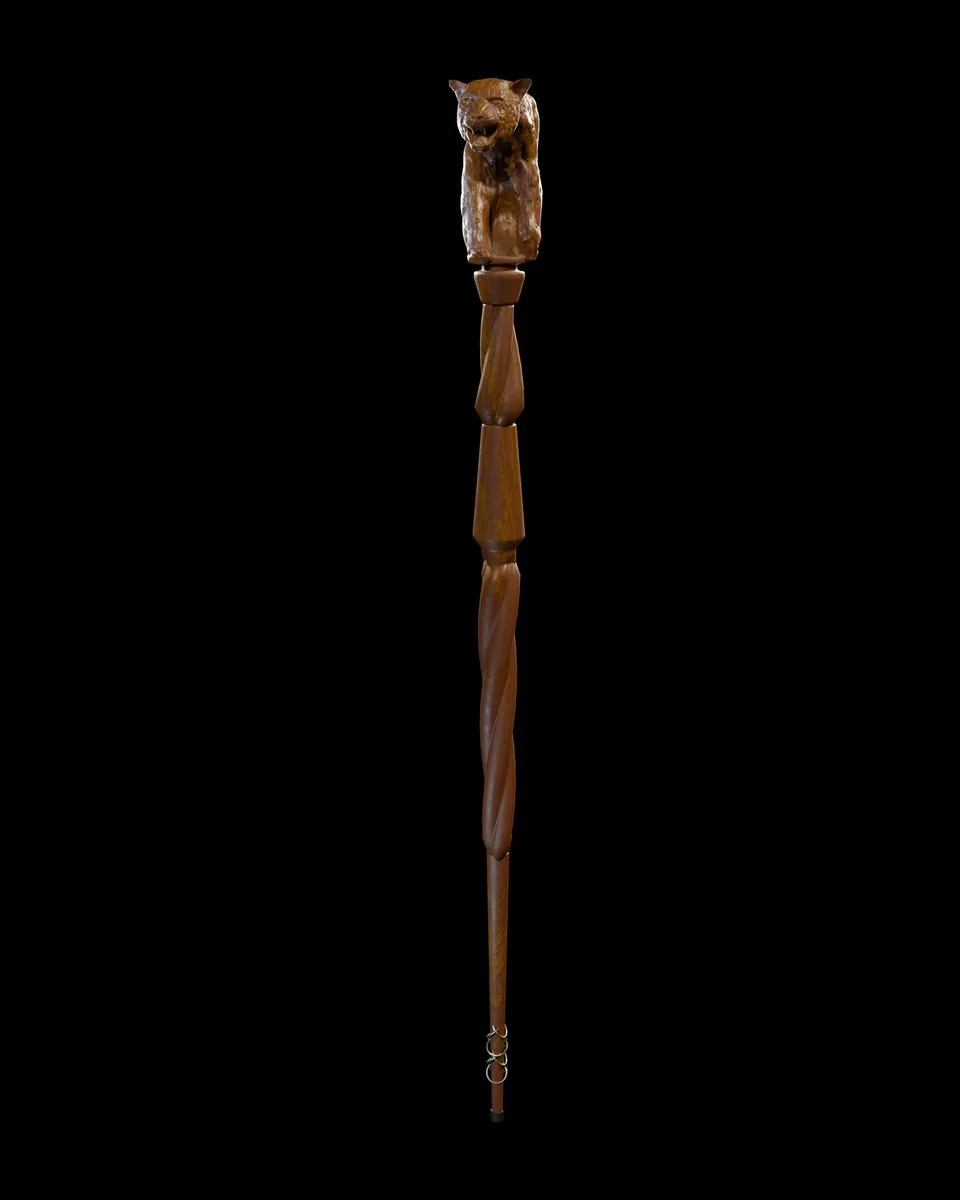
Chief Adediran: I need a new staff. My current one has served its time I have been looking for someone that will do something great for me. Fine! I will commission him.

Chief Gbemi: (mildly surprised) You.

Chief Adediran: If the work is what Ogunleye says it is, I will know. And if it falls short, I will also know.

Ìyálóde Àbẹ̀kẹ́: (gently amused) You will also tell everyone that you were the first to recognize his brilliance.

More laughter followed, softer this time. Adediran’s smile acknowledged the truth in her tease.

Chief Adediran: I will send Morenike. She has good eyes, and she knows what a chief’s staff should carry. She will know exactly what to ask for.

Ìyálóde Àjíké: Morenike? that niece of yours that makes fine Adire? From what I heard Ayo also accepts Adire as payment. Have her take some with her.

Ìyálóde Àbẹ̀kẹ́: Yeah, she should.

Chief Adediran: It is settled then.

The two women share a brief look and a smile, the kind that carries more than the words around it. The conversation turns back to village matters. The stools hold them all, steady and unremarked, the way great craftsmanship often does until the world finally remembers to look down and notice it.

The tokens are your way into Àpótí Ọlọ́wẹ̀: a small claim in the world being built, access to the live chapter auctions, and a place inside the story as it unfolds. Each tier carries a different relationship to the project. See the privileges below before you choose how you want to enter.

Token privileges

Entry Token Wood
  • Bid & buy paintings and sculptures
  • Name on the project monolith
Bronze Token Burn to redeem
  • Bid & buy paintings and sculptures
  • Exclusive access to select works
  • Àpótí Ọlọ́wẹ̀ merch
  • Name on the project monolith
Gold Token Airdropped
  • Awarded through chapter auctions
  • One airdrop per chapter — six total
  • Unlocks collector reward at series close

Before you bid: Entry and Bronze tokens unlock auction access. Collect five Entry (Wood) tokens and burn them to redeem one Bronze token, opening the elevated tier of privileges.

Mint Entry Token

Mint Entry Token
Burn and Redeem Bronze Token