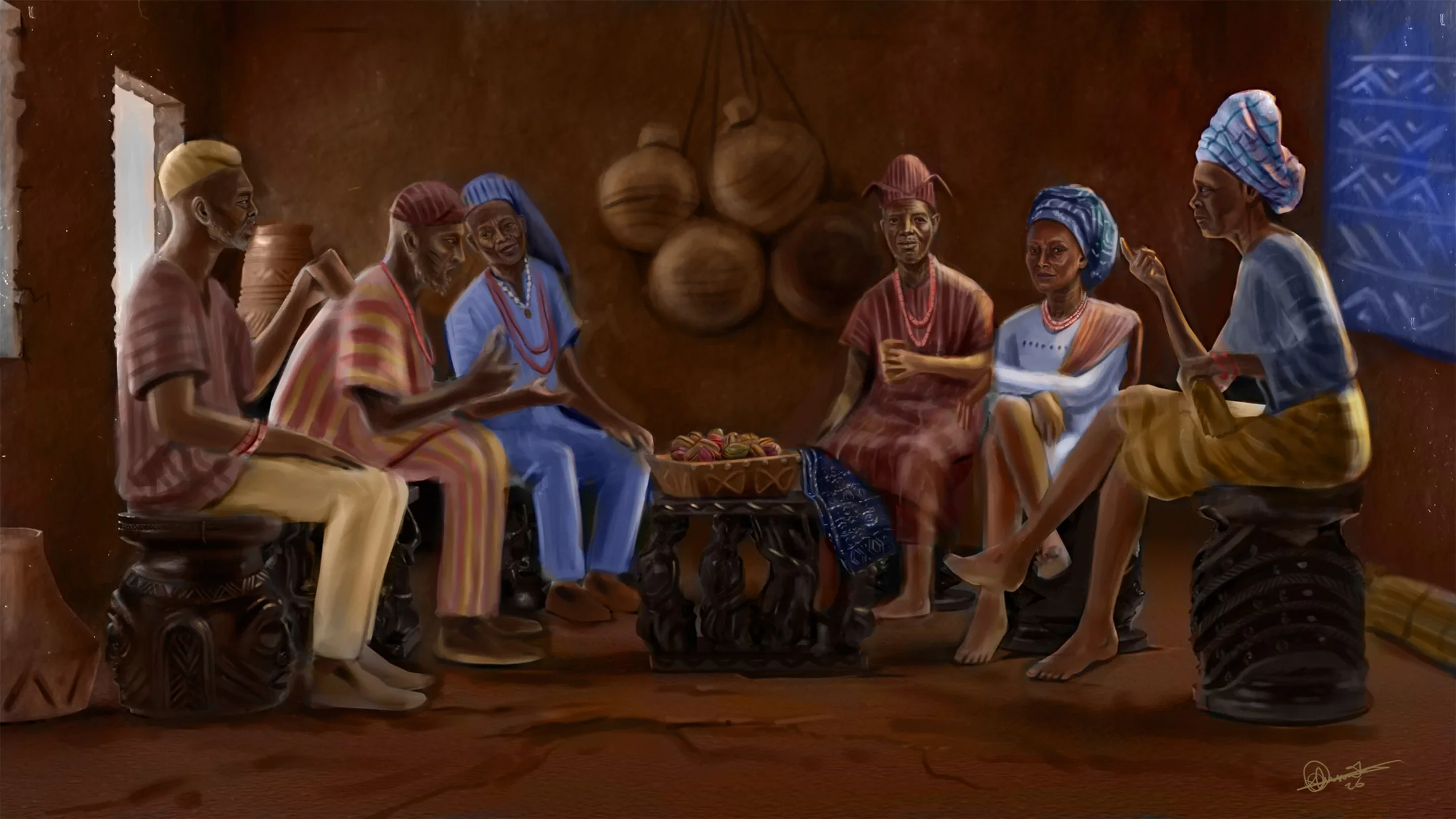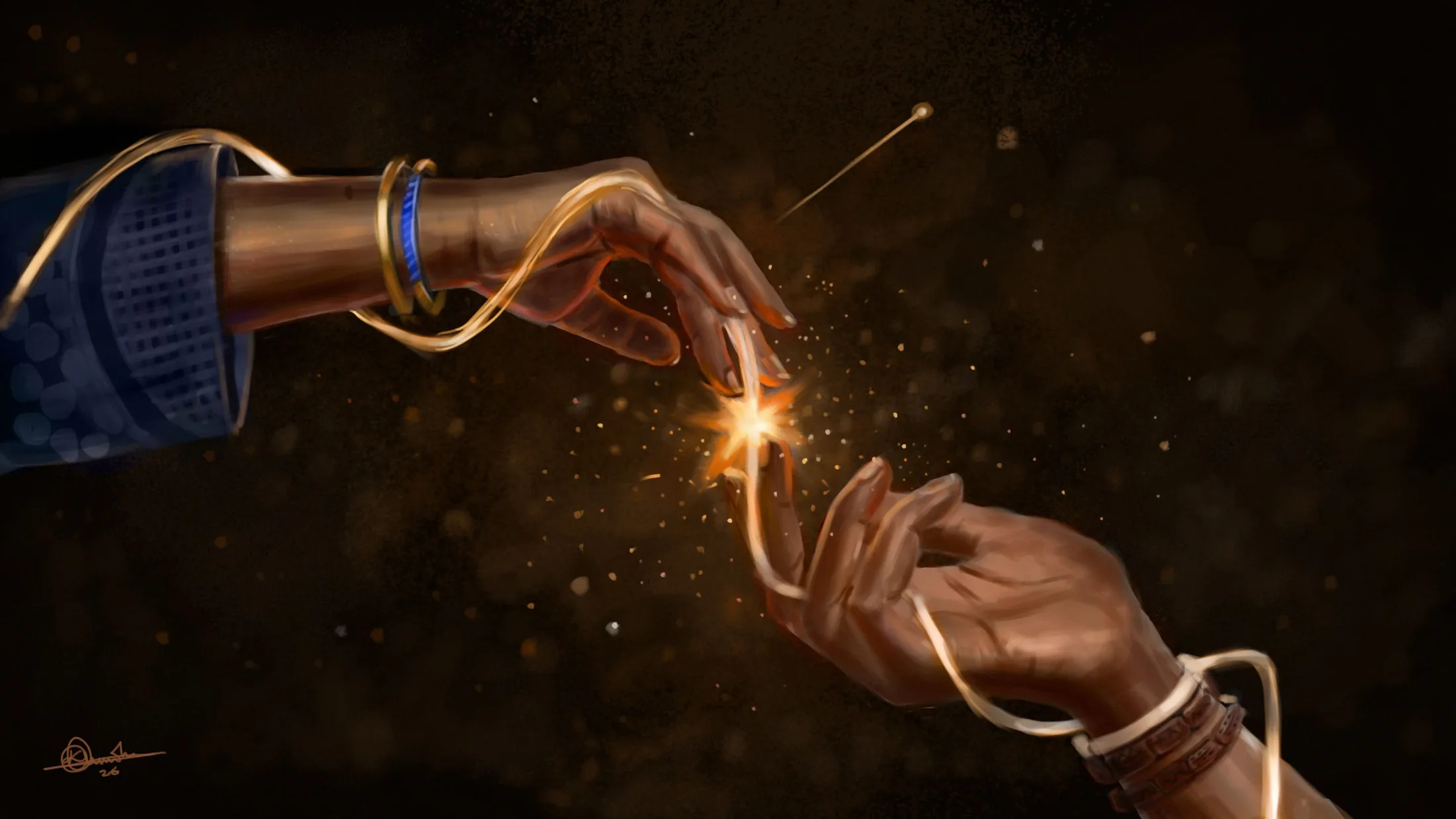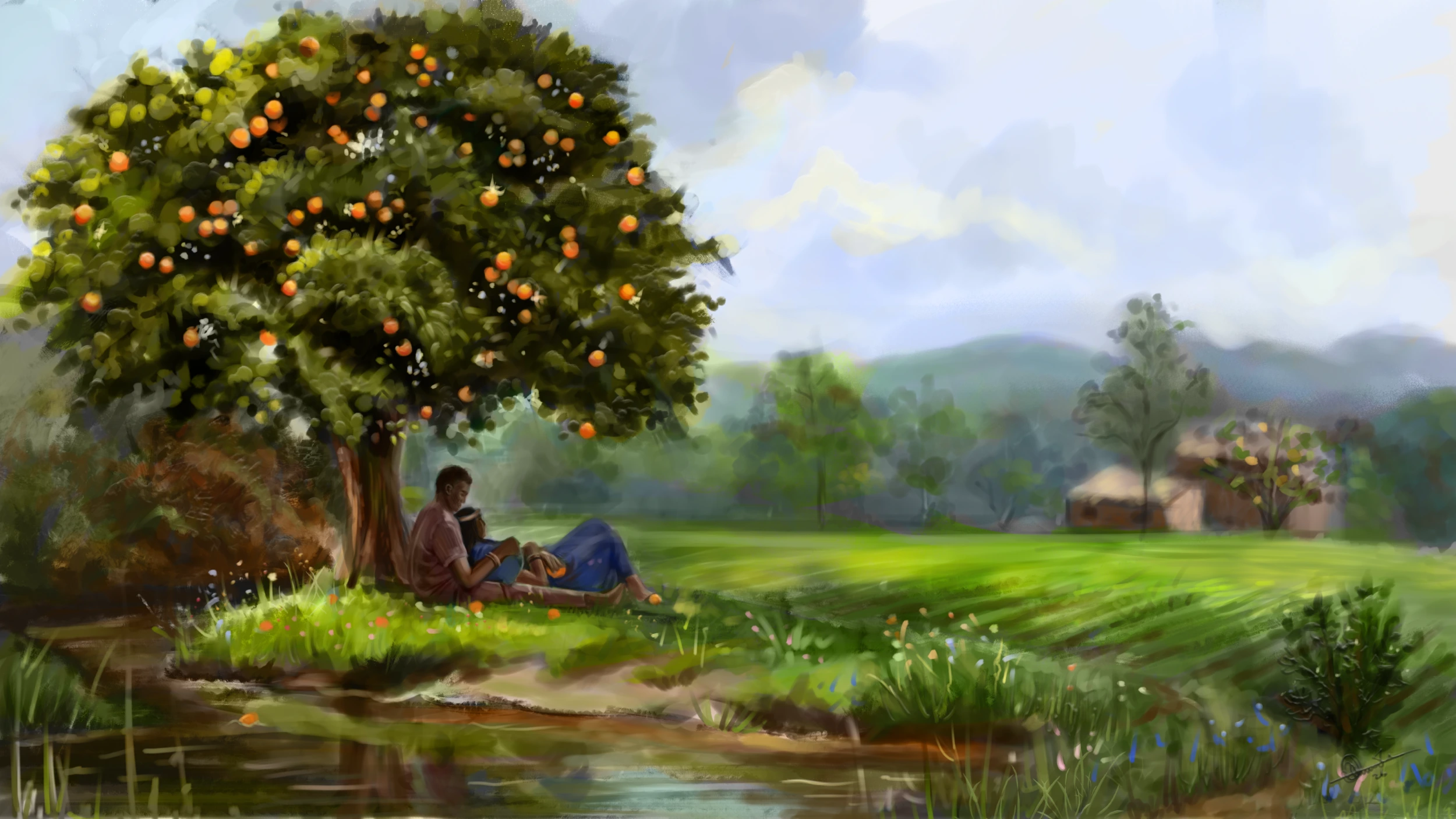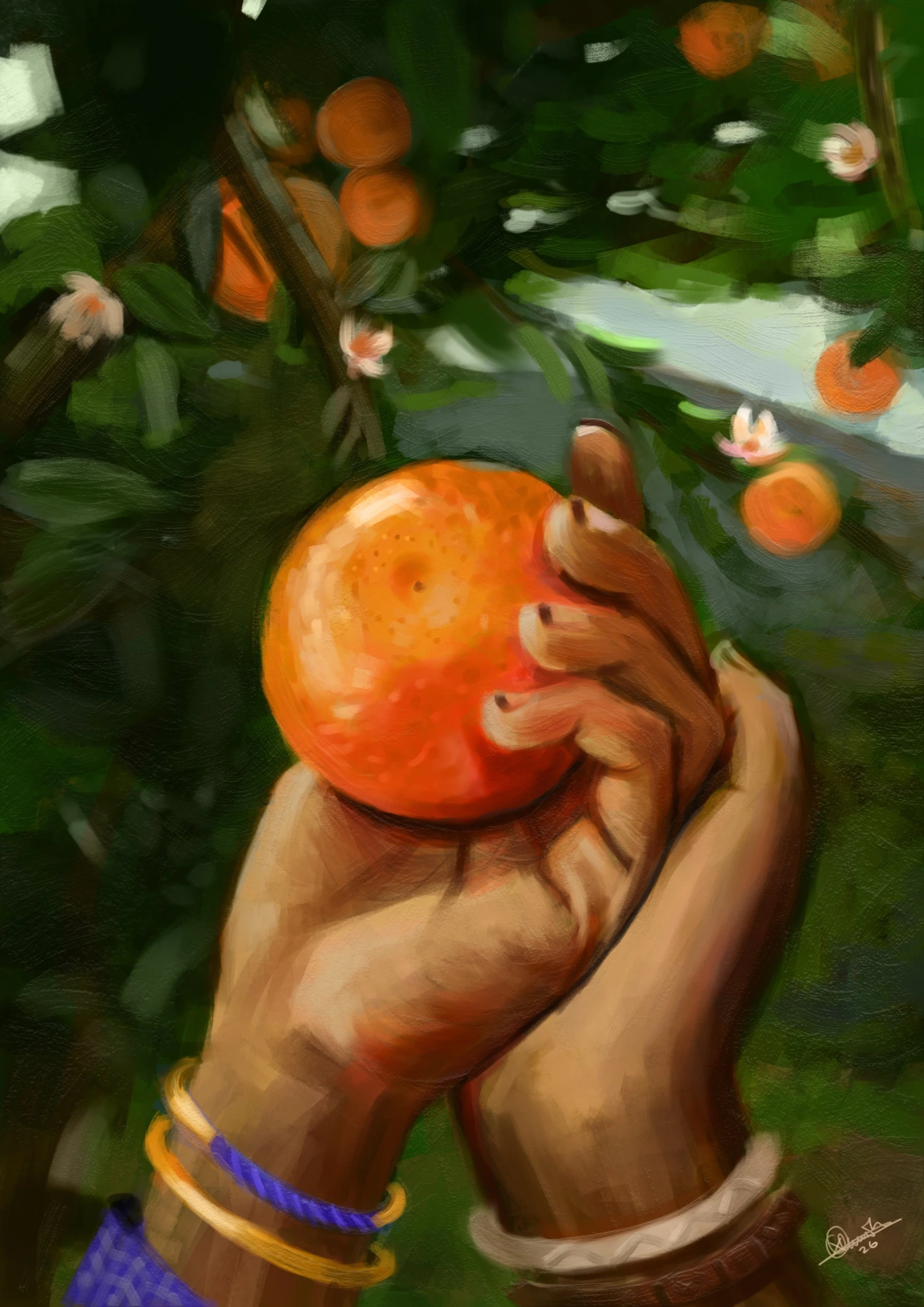
It was a warm evening. Six chiefs were seated in a room that flanked the palace courtyard, gathered for an informal meetup. They sat in two rows facing each other, with kolanut and wine laid out between them to keep the conversation lively. They had been discussing the various happenings in the village when the conversation shifted to Ayo.
Chief Ogunleye: (leaning forward) I am telling you what I saw with my own eyes. The door at Baba Segun’s compound; the one everyone stops to look at on their way to the market; that is Ayo’s work. The boy has a gift.
Ìyálóde Àjíké: A gift that has not made him a notable man. (takes a sip) The work is not bad. It simply has not turned him into someone whose name carries weight in this town.
Chief Ogunleye: Because people keep paying him in goodwill instead of what the work deserves. You cannot underpay a man and then question why he hasn’t risen.
Ìyálóde Àjíké: (unbothered) I pay what the conversation agrees on. That is not my doing.
Ìyálóde Àbẹ̀kẹ́: (without looking up, turning her cup slowly) The best palm wine in this town came from Ola’s stall for fifteen years. Everyone agreed on it. Until someone finally walked further down the road and tasted the truth… Agreement is not the same as accuracy.
Soft laughter. Chief Gbemi watches everyone without committing to a reaction and having another sip out of his cup.
Chief Gbemi: I have heard the name often enough. I have not seen sufficient work to feel strongly either way. What has he produced that we can point to?
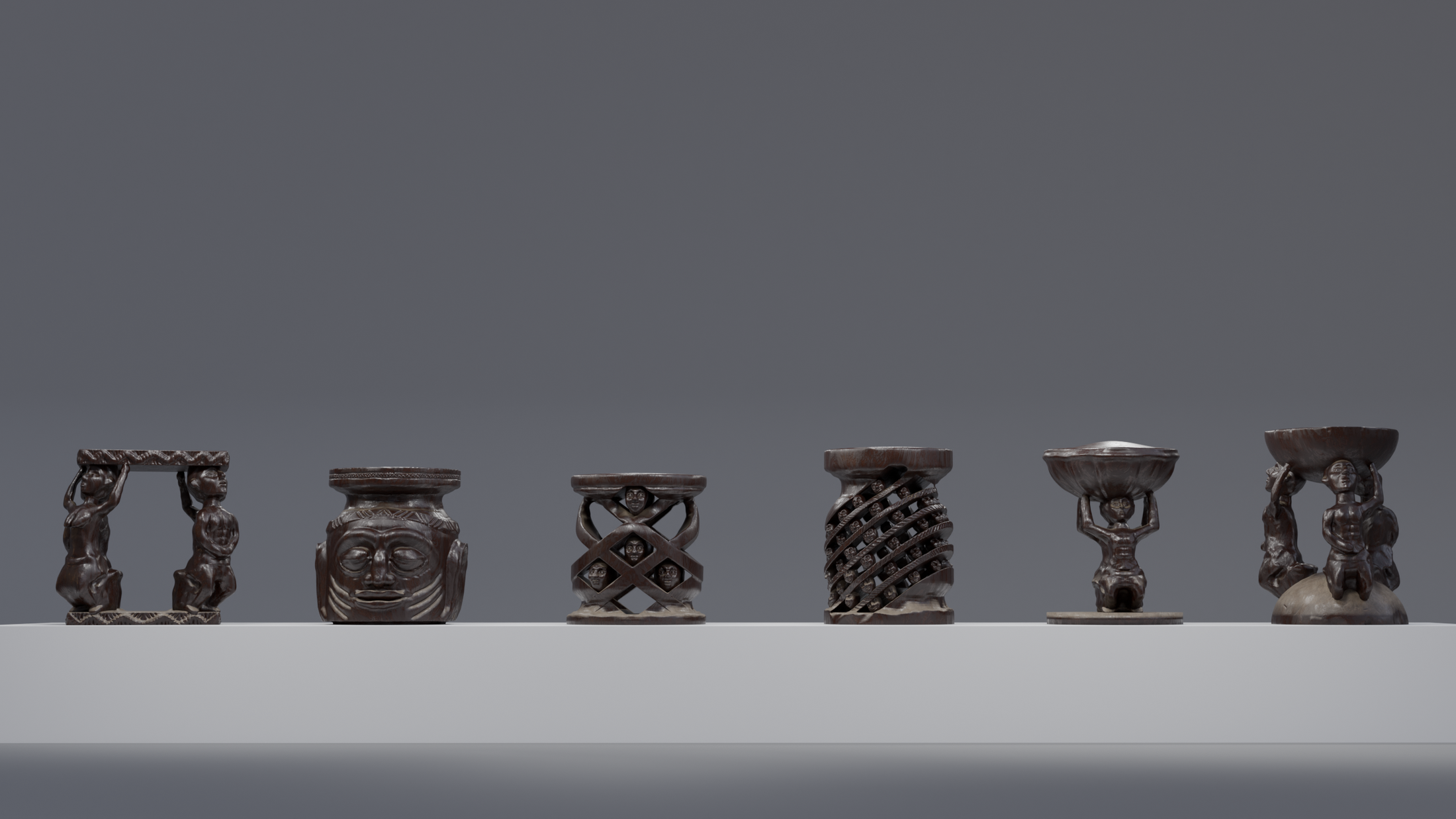
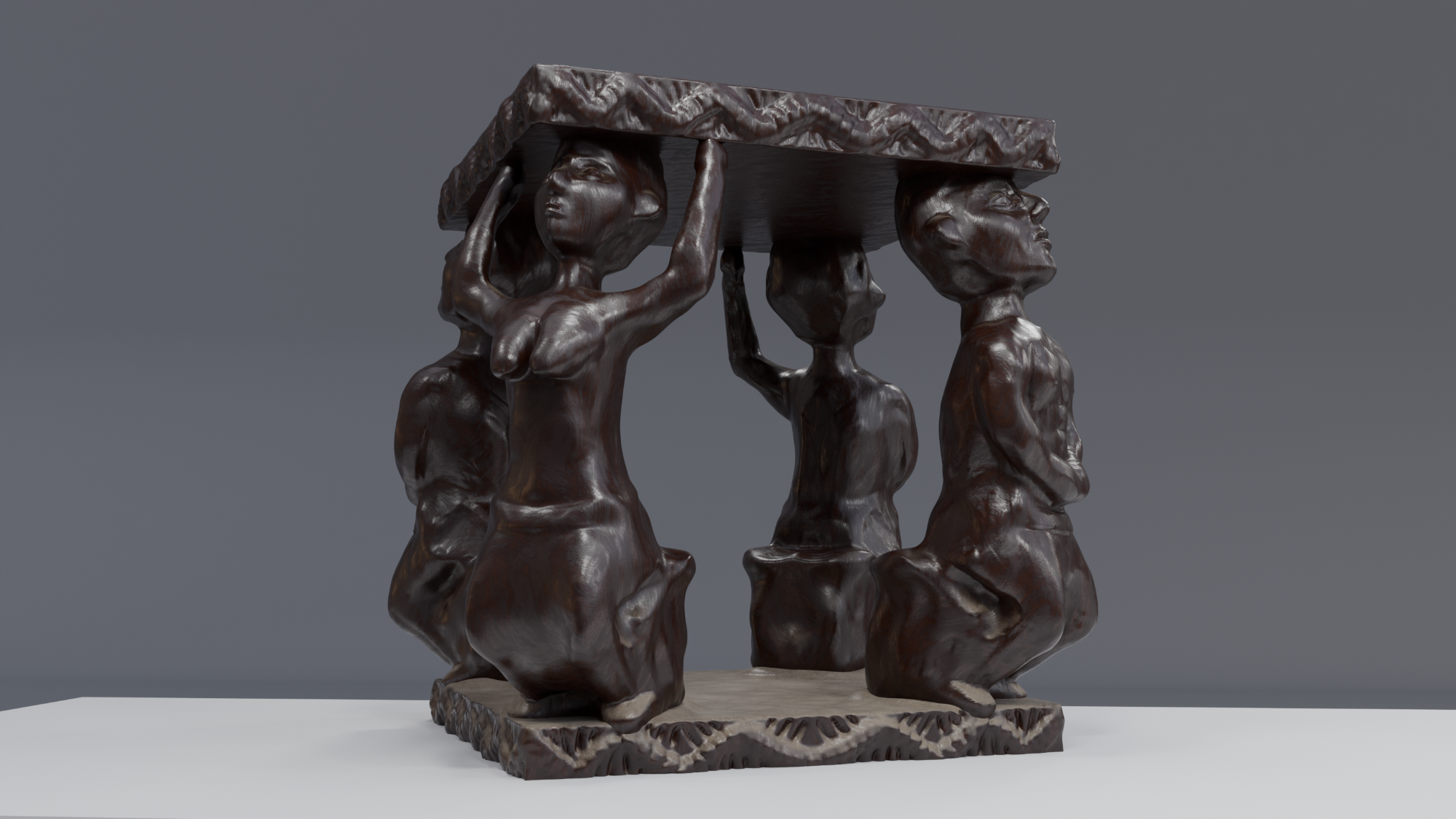
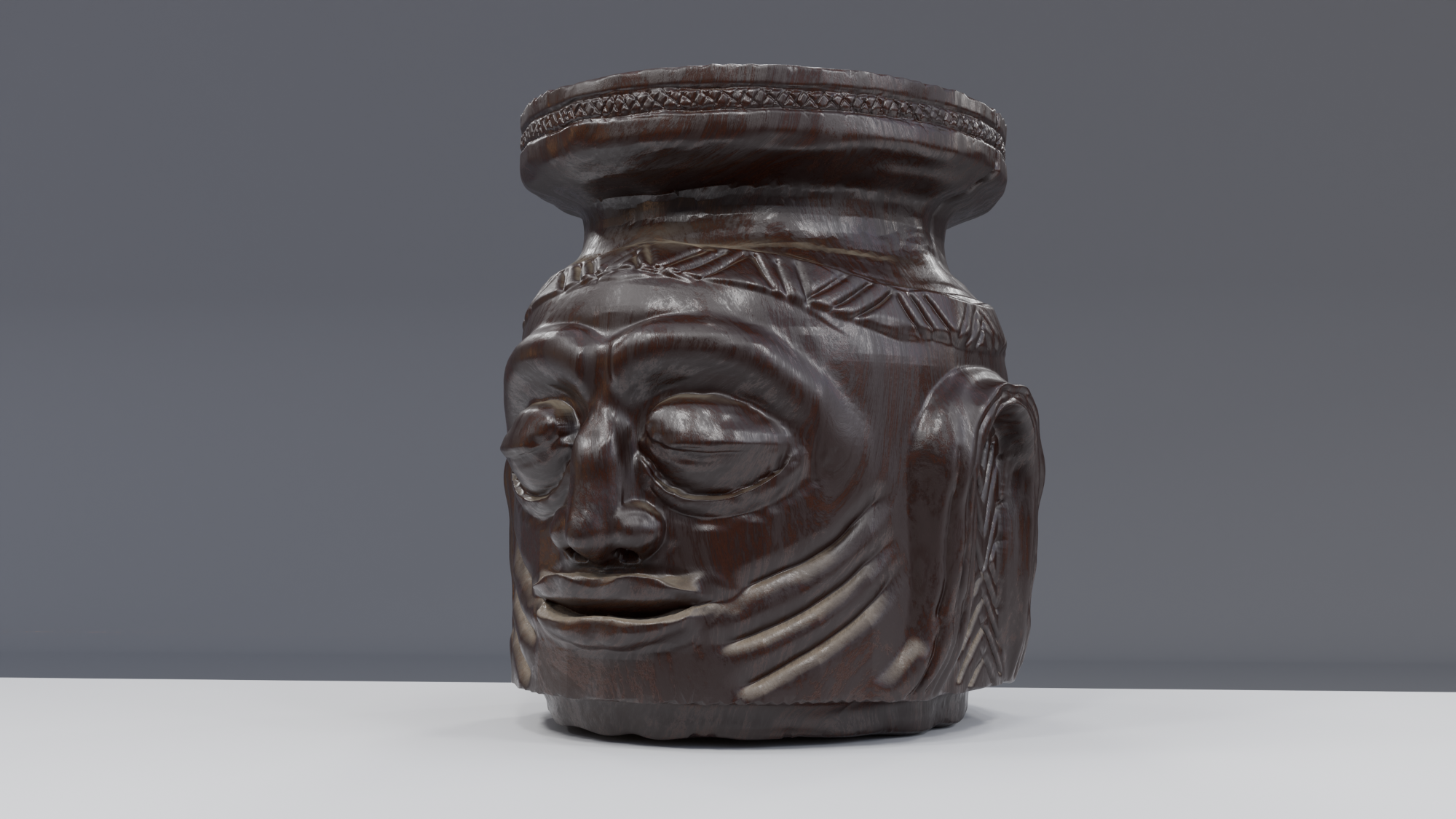
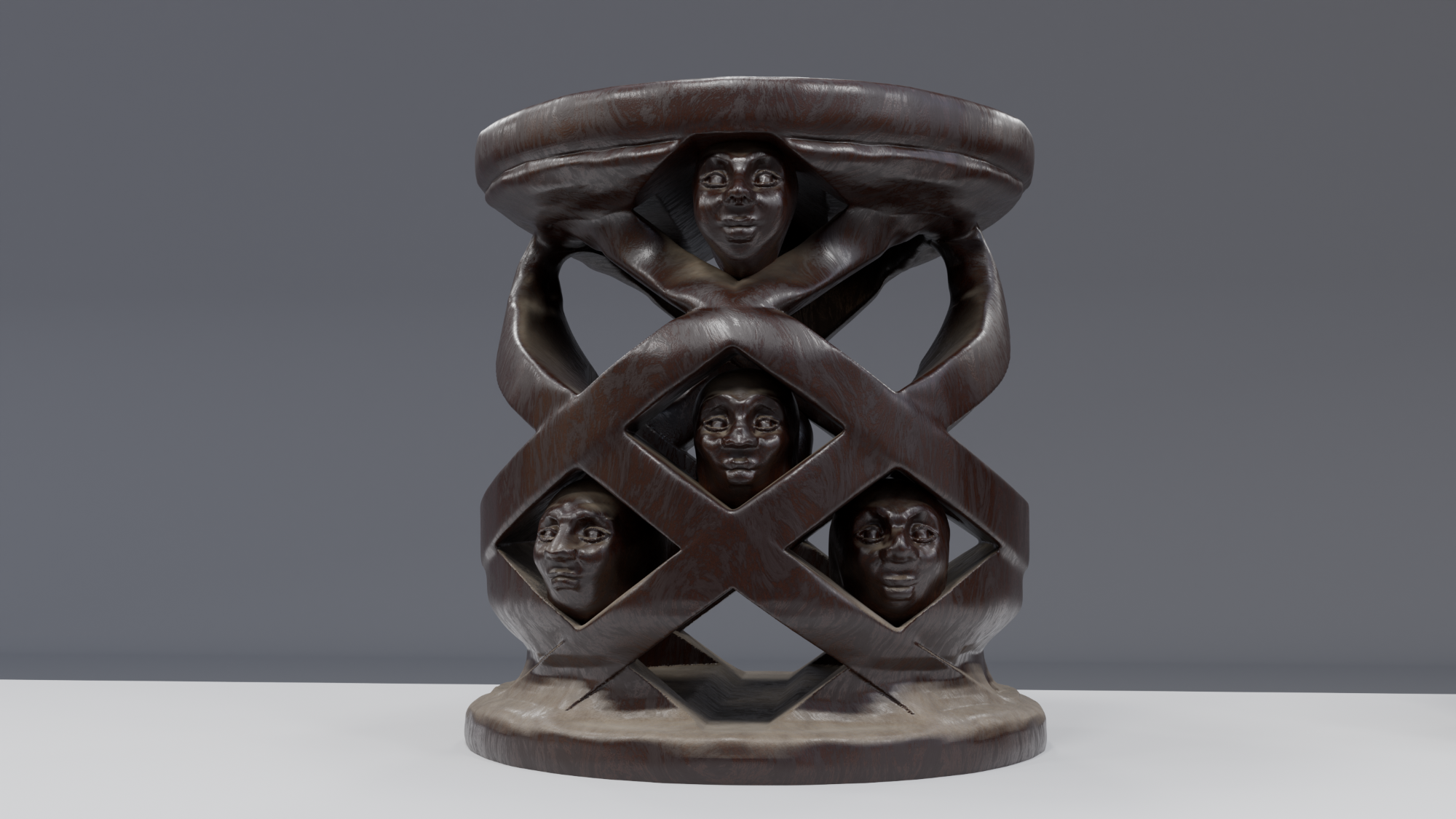
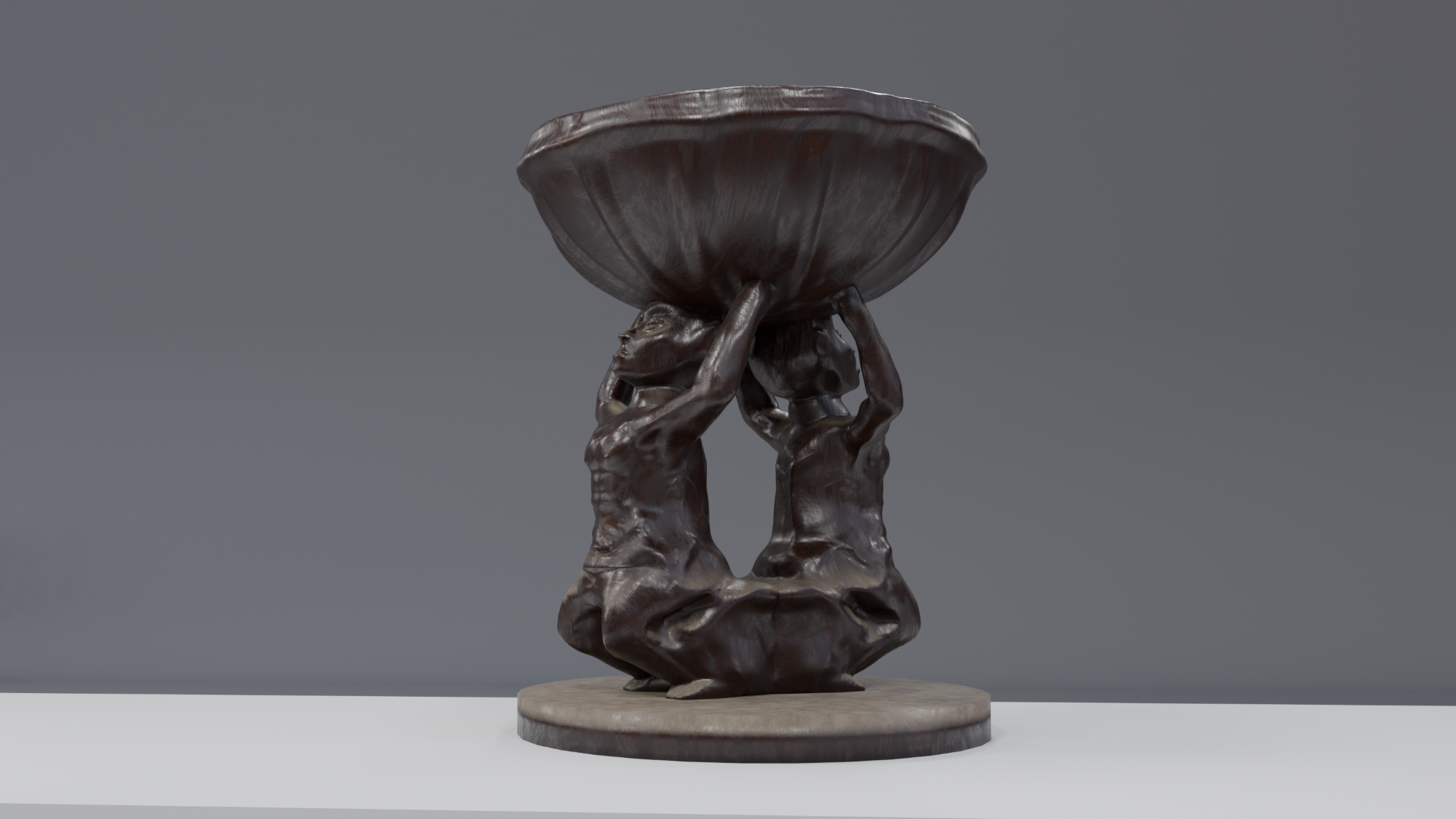
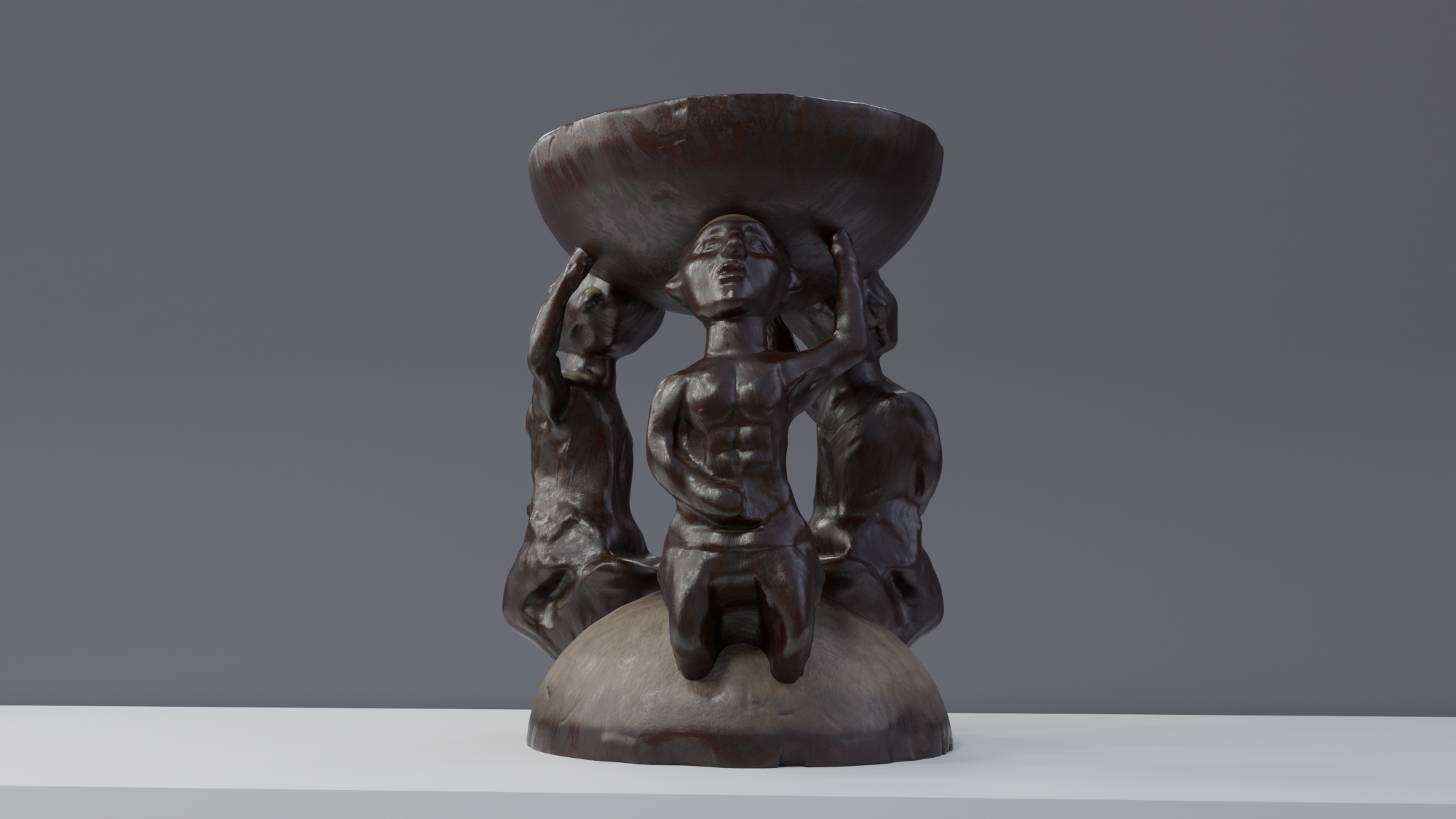
Chief Ogunleye: The doors at the community hall. The ceremonial headrests sent to Oba’s palace last dry season. (a deliberate pause, glancing around the room) And if you look down, you will find you are all sitting very comfortably this afternoon.
A few heads dipped. Then a few more.
Ìyálóde Àbẹ̀kẹ́: Ah yes! I remember when he brought it, I picked these out for us before the rest was sent to the palace.
Ìyálóde Àjíké: (shifting, running her fingers along the edge of her stool) These... he made these?
Chief Ogunleye: Every one of them. It was commissioned two years ago. You have been sitting on his work since the day they arrived, apart from Ìyálóde Àbẹ̀kẹ́ the rest of you didn’t ask who carved them.
Silence. Chief Adediran has been still watching the entire time. Now he runs his hand slowly along his stool’s side.
Chief Adediran: Sitting well is not mastery. A comfortable stool is one thing.
Chief Gbemi: (a small smile creeped on his face as he glanced sideways at Adediran) Yet someone here nearly fought Chief Makanjuola when he tried to use their stool during the last meeting.
Laughter rang out across the room.
Chief Adediran: (holding up his hands in playful surrender) Fine I like the stool, but I don’t think that’s enough to prove his mastery, the question is whether he can produce something that carries real weight. Something ceremonial, something that grabs attention and envy when it enters a room.
Chief Afolabi: Well, your question deserves a proper answer. Not one formed from just our opinion.
Everyone receives this quietly.
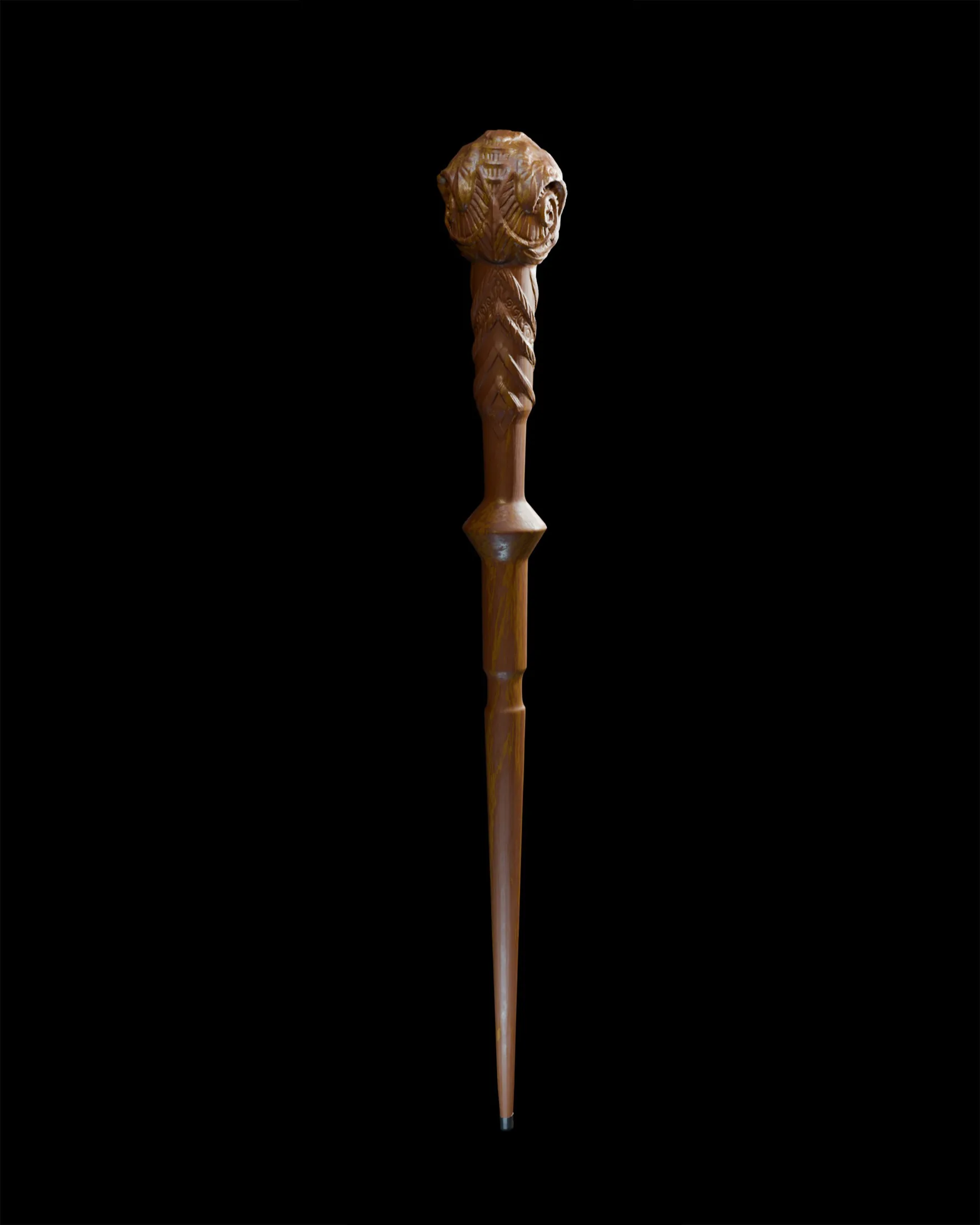
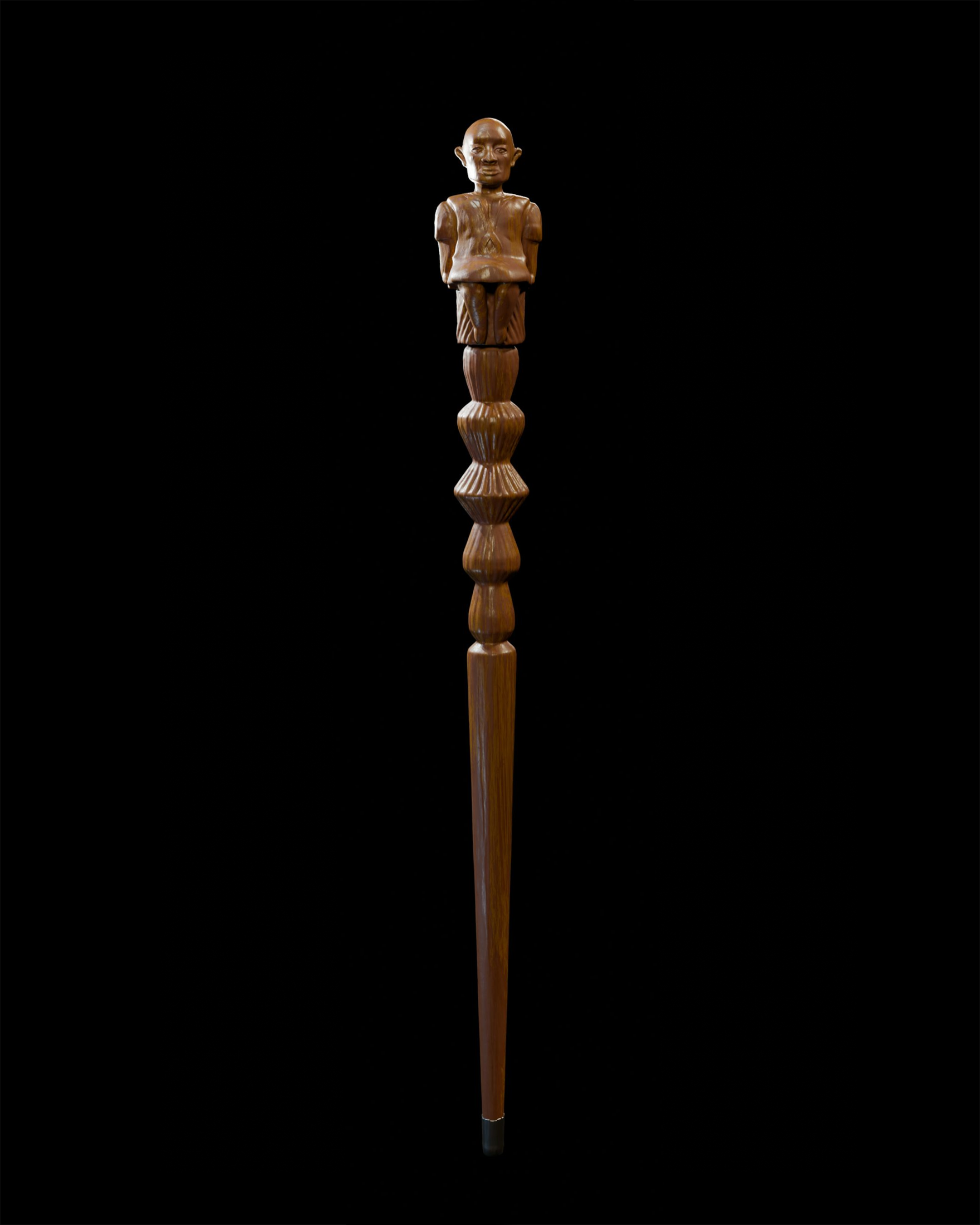
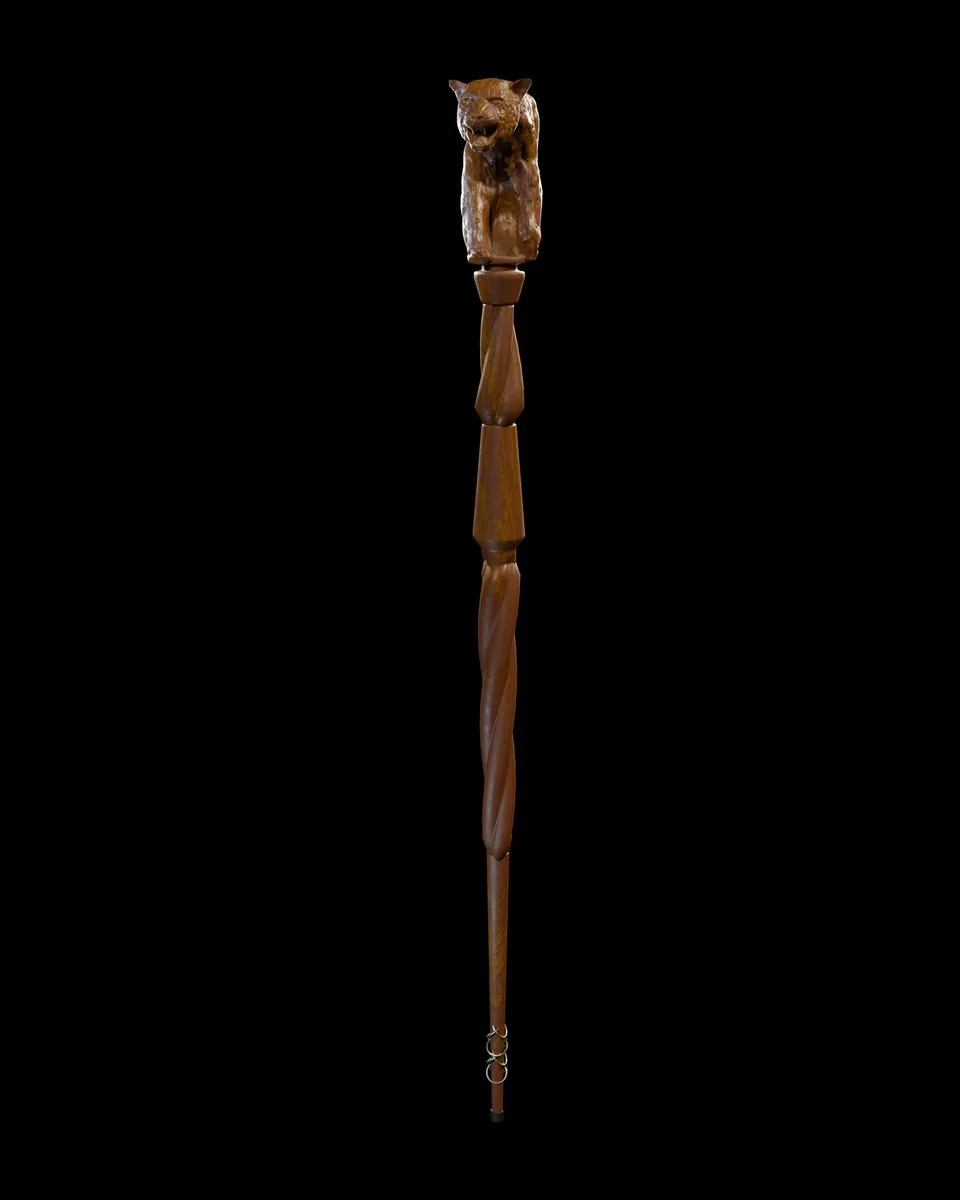
Chief Adediran: I need a new staff. My current one has served its time I have been looking for someone that will do something great for me. Fine! I will commission him.
Chief Gbemi: (mildly surprised) You.
Chief Adediran: If the work is what Ogunleye says it is, I will know. And if it falls short, I will also know.
Ìyálóde Àbẹ̀kẹ́: (gently amused) You will also tell everyone that you were the first to recognize his brilliance.
More laughter followed, softer this time. Adediran’s smile acknowledged the truth in her tease.
Chief Adediran: I will send Morenike. She has good eyes, and she knows what a chief’s staff should carry. She will know exactly what to ask for.
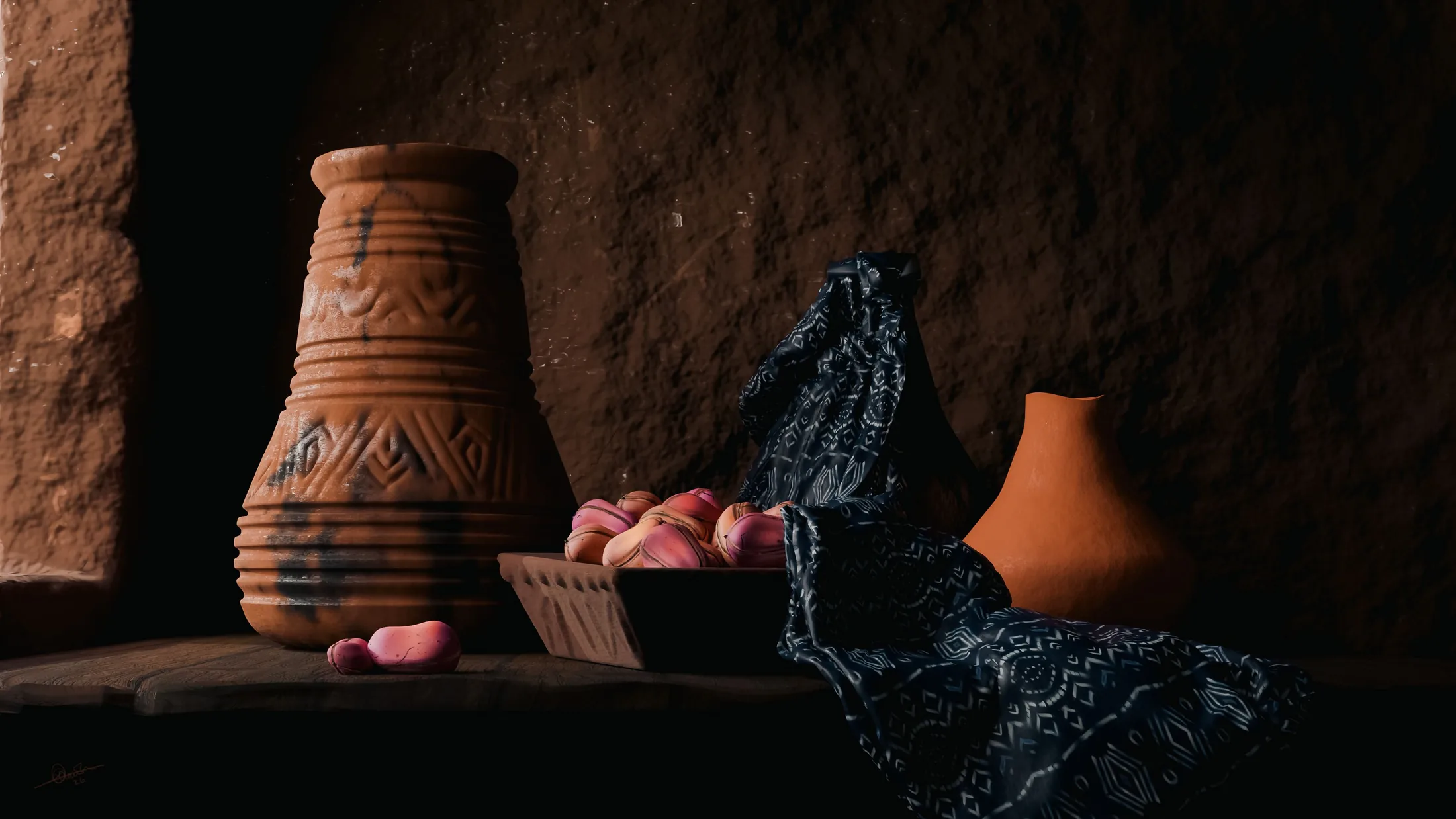
Ìyálóde Àjíké: Morenike? that niece of yours that makes fine Adire? From what I heard Ayo also accepts Adire as payment. Have her take some with her.
Ìyálóde Àbẹ̀kẹ́: Yeah, she should.
Chief Adediran: It is settled then.
The two women share a brief look and a smile, the kind that carries more than the words around it. The conversation turns back to village matters. The stools hold them all, steady and unremarked, the way great craftsmanship often does until the world finally remembers to look down and notice it.